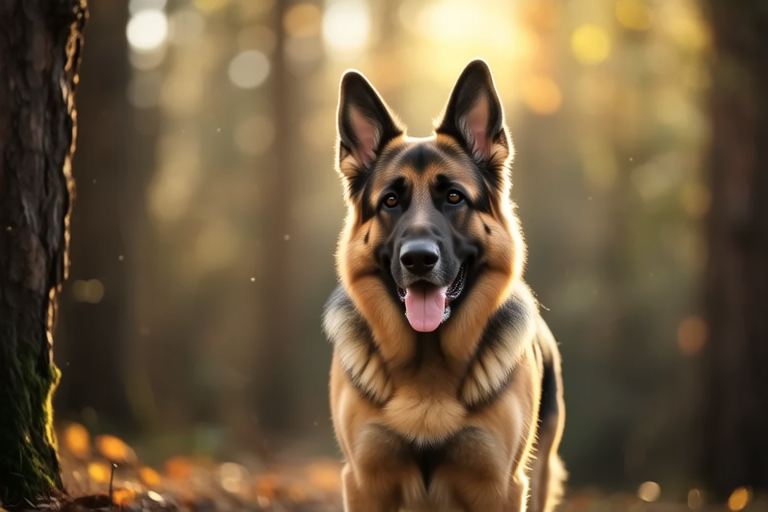
7 Fascinating Facts About German Shepherds You Need to Know
German Shepherds have long been a favorite among dog lovers for their intelligence, loyalty, and versatility. These dogs are not just pets; they are working partners in many fields, from police work to search and rescue missions. In this article, we’ll dive into seven fascinating facts about German Shepherds that you need to know. Whether you’re a seasoned dog owner or a curious enthusiast, these insights will deepen your appreciation for this remarkable breed.
1. Exceptional Intelligence: A Natural Born Leader
One of the most striking characteristics of German Shepherds is their high level of intelligence. They rank second on the list of the smartest dog breeds, according to canine psychologist Stanley Coren’s book “The Intelligence of Dogs.” This intelligence is multifaceted, encompassing obedience, adaptive, and working intelligence. German Shepherds excel in understanding commands and can learn new tasks quickly. Their ability to solve problems and think critically makes them ideal candidates for various roles, from therapy dogs to military service.
Their intelligence isn’t just theoretical; it’s practical. German Shepherds can understand up to 300 words and respond to hand signals. This capability allows them to perform complex tasks, such as guiding individuals with visual impairments or detecting medical conditions like seizures. Their problem-solving skills are particularly useful in search and rescue operations, where they can navigate challenging terrains and find missing persons.
2. Unwavering Loyalty: The Perfect Companion
German Shepherds are known for their unwavering loyalty, which is often attributed to their strong bond with their human companions. This loyalty stems from their protective nature and deep affection for their families. They are incredibly devoted and will go to great lengths to ensure the safety and well-being of their loved ones. This trait makes them excellent guard dogs, but it also means they require strong leadership from their owners to prevent overprotectiveness.
The bond between a German Shepherd and its owner is profound. These dogs form tight-knit relationships with their humans, often following them around the house and seeking out physical contact. They thrive on attention and interaction, making them ideal companions for active individuals who enjoy spending time outdoors. Their loyalty is so ingrained that they often become emotionally attached to their owners, sometimes even mourning their loss if separated.
3. Common Health Issues: Understanding the Risks
While German Shepherds are generally healthy, they are prone to certain health issues due to their large size and specific genetic makeup. One of the most common conditions is hip dysplasia, a condition where the hip joint doesn’t develop properly, leading to pain and reduced mobility. Another frequent issue is elbow dysplasia, which affects the elbow joint similarly. Both conditions can be managed with proper care, including weight management and regular exercise.
In addition to musculoskeletal problems, German Shepherds may also suffer from degenerative myelopathy, a neurological disorder that affects the spinal cord. This condition can lead to weakness in the hind legs and eventually result in paralysis. Early detection and supportive care can help manage the symptoms and improve the dog’s quality of life. Regular veterinary check-ups and genetic testing can help identify potential health risks early on, allowing for proactive treatment.
4. Rich History: From Herding to Heroism
The history of German Shepherds is as rich and varied as the breed itself. They were originally bred in Germany in the late 19th century by Captain Max von Stephanitz. His goal was to create a versatile working dog that could assist in herding sheep. Von Stephanitz envisioned a breed that combined strength, agility, and intelligence, and he succeeded in breeding the perfect working companion.
The first German Shepherd was registered in 1899, and the breed quickly gained popularity for its adaptability and intelligence. During World War I, German Shepherds were used as messenger dogs, rescuing wounded soldiers, and performing other vital tasks. Their reputation as capable and reliable working dogs grew exponentially after the war, and they became a symbol of heroism and loyalty.
Today, German Shepherds continue to serve in various capacities, from police work to search and rescue missions. Their versatility and intelligence make them invaluable in these roles, and they remain one of the most popular dog breeds worldwide.
5. Versatility in Various Fields: From Police Work to Search and Rescue
German Shepherds are renowned for their versatility, and their ability to adapt to different roles is one of their defining traits. They are widely used in police work, where they assist officers in tracking suspects, sniffing out drugs, and providing protection. Their keen sense of smell and sharp instincts make them ideal for these tasks. In fact, many police departments around the world rely on German Shepherds for their effectiveness and reliability.
Search and rescue missions are another area where German Shepherds excel. Their exceptional sense of smell and ability to navigate difficult terrain make them invaluable in locating missing persons. They can detect human scent even when the person is buried under rubble or debris. German Shepherds have been trained to locate survivors in disaster areas, such as collapsed buildings or avalanche sites. Their dedication and determination in these situations have saved countless lives.
Beyond police work and search and rescue, German Shepherds are also used in therapy settings. Their calming presence and gentle demeanor make them excellent companions for individuals with anxiety, depression, or PTSD. Therapy dogs provide emotional support and comfort, helping people cope with their mental health challenges. German Shepherds’ ability to connect with people on an emotional level makes them ideal for this role.
6. Typical Behaviors: What to Expect from Your German Shepherd
German Shepherds have distinct behaviors that stem from their working background and inherent instincts. One of the most notable behaviors is their tendency to herd. While this behavior is less pronounced in pet German Shepherds, it can still manifest in playful ways. For example, they may try to herd children or other pets in the household. This behavior is rooted in their ancestry as herding dogs and can be managed with proper training and socialization.
Another typical behavior is their protective nature. German Shepherds are naturally vigilant and will alert their owners to any perceived threats. This instinct can be beneficial in certain situations but may require careful management to prevent overprotectiveness. Early socialization and training can help your German Shepherd distinguish between real dangers and harmless stimuli, ensuring they remain calm and balanced.
Exercise is crucial for German Shepherds, as they are highly energetic and require regular physical activity to stay healthy and happy. Daily walks, playtime, and mental stimulation are essential to keep them physically fit and mentally engaged. Without adequate exercise, German Shepherds may become restless and exhibit destructive behaviors. Providing them with outlets for their energy can help maintain a well-balanced and contented dog.
7. Unique Traits: Setting Them Apart
German Shepherds possess several unique traits that set them apart from other dog breeds. One of the most distinctive features is their double coat, which provides insulation and protection against harsh weather conditions. Their thick, dense fur requires regular grooming to prevent matting and shedding. While some owners may find the amount of shedding challenging, it’s an important aspect of caring for a German Shepherd.
Another unique trait is their expressive eyes, which convey a wide range of emotions. German Shepherds are often described as having a “human-like” gaze, and their eyes can communicate joy, sadness, and concern. This trait adds to their appeal as loyal companions and makes them particularly adept at reading their owners’ emotions.
Lastly, German Shepherds have a natural elegance and grace in their movements. Their athletic build and fluid gait make them impressive to watch, whether they’re running through an agility course or simply walking beside their owner. This elegance is a testament to their breeding and training, and it contributes to their enduring popularity as both working dogs and family pets.
In conclusion, German Shepherds are truly remarkable dogs with a rich history, exceptional intelligence, and unwavering loyalty. Whether you’re considering adopting a German Shepherd or already have one in your life, these seven fascinating facts will deepen your understanding and appreciation of this beloved breed. With the right care and training, German Shepherds can be wonderful companions and valuable working partners, bringing joy and purpose to countless lives.
