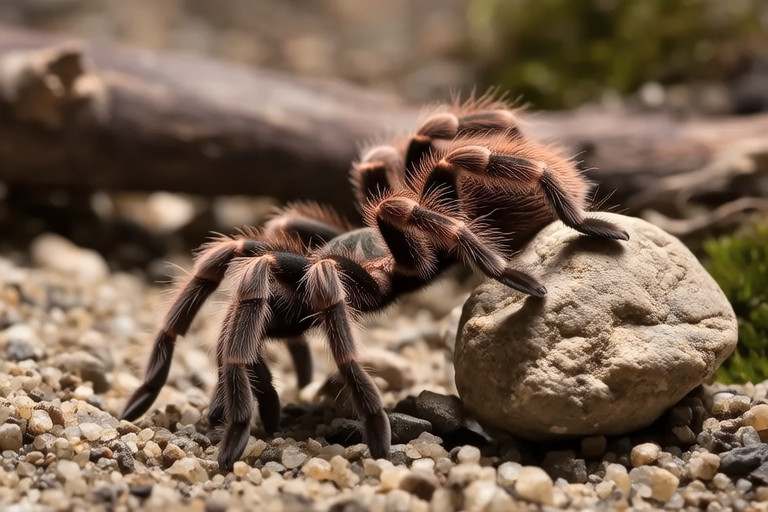
Top Secrets to Successfully Care for Your Chilean Rose Tarantula at Home
Welcome to the fascinating world of tarantulas! If you’re considering adopting a Chilean Rose Tarantula (Grammostola rosea), you’re about to embark on a rewarding journey. These spiders are popular among pet enthusiasts due to their manageable size, docile nature, and striking appearance. However, caring for a Chilean Rose Tarantula requires careful attention to its specific needs. This comprehensive guide will walk you through the essentials of setting up a suitable habitat, maintaining the right environmental conditions, feeding your spider, handling it safely, and monitoring its health.
Habitat Setup: Creating a Natural Environment
The first step in successfully caring for your Chilean Rose Tarantula is providing a comfortable and safe living space that closely mimics its natural habitat. These spiders are native to arid regions in South America, so their enclosure should reflect these conditions.
Enclosure Size: A 10-gallon tank is ideal for an adult Chilean Rose Tarantula. While they aren’t particularly active, having enough space allows them to feel secure and move around comfortably.
Substrate: Use a bedding material that can hold moisture without becoming soggy. Cypress mulch or coconut fiber are excellent choices. Aim for a depth of about 3-4 inches to allow burrowing behavior.
Hiding Places: Tarantulas need places to hide and feel secure. Add cork bark or half logs for this purpose. Ensure any decorations are securely placed to prevent accidents.
Temperature and Humidity Control: Maintaining the correct temperature and humidity levels is crucial for your tarantula’s health. The optimal temperature range is between 75°F and 85°F (24°C – 29°C). Use a digital thermometer to monitor these conditions accurately. Humidity should be kept between 60% and 80%. Misting the substrate occasionally helps maintain the desired humidity levels.
Diet Specifics: Feeding Your Tarantula
Chilean Rose Tarantulas have relatively simple dietary needs, but it’s important to provide them with a balanced diet to ensure optimal health.
Feeding Frequency: Feed your tarantula once every week or two, depending on its size and activity level. Juveniles may require more frequent feedings.
Appropriate Prey: Crickets, mealworms, and dubia roaches are all suitable prey items. Ensure the prey item is no larger than half the width of the tarantula’s body to prevent digestive issues.
Prey Variety: Offering a variety of prey items can help meet nutritional requirements and prevent boredom. Occasionally supplementing with calcium and vitamin powders can also be beneficial.
Feeding Technique: Place the prey inside the enclosure and let the tarantula catch it naturally. Avoid disturbing the spider during feeding times to minimize stress.
Handling Instructions: Safety First
While Chilean Rose Tarantulas are generally docile, handling should always be approached with caution. Here are some tips to ensure both your safety and the spider’s well-being:
Frequency of Handling: Limit handling to once a week or less. Overhandling can cause stress and potential injury to the tarantula.
Proper Technique: Gently scoop the tarantula from its enclosure using a wide, flat tool like a foam paddle. Support its body fully and avoid squeezing. Always handle the tarantula over its enclosure to prevent falls.
Signs of Stress: Watch for signs such as leg waving, retraction into its burrow, or erratic movements. If your tarantula shows these behaviors, it’s best to stop handling immediately.
Health Monitoring: Keeping Your Tarantula Thriving
Regular health checks are vital to ensure your Chilean Rose Tarantula remains healthy and happy. Pay attention to the following aspects:
Behavior: Monitor your tarantula’s daily activities. Changes in appetite, activity level, or grooming habits could indicate underlying health issues.
Appearance: Check for any unusual spots, discoloration, or missing limbs. A healthy tarantula should have a smooth exoskeleton and clear eyes.
Molting Process: Molting is a natural part of a tarantula’s life cycle. During this time, the tarantula will shed its exoskeleton. Ensure the enclosure remains humid and free of disturbances during this period.
Common Care Mistakes to Avoid
Even experienced tarantula owners can make mistakes. Here are some common pitfalls to watch out for:
Overfeeding: Providing too much food can lead to obesity and other health problems. Stick to the recommended feeding schedule.
Incorrect Substrate: Using the wrong type of substrate can affect humidity levels and overall comfort. Always choose materials that suit the tarantula’s natural environment.
Ignoring Temperature Fluctuations: Sudden changes in temperature can stress your tarantula. Invest in a reliable thermostat to maintain consistent conditions.
Lack of Hiding Spots: Without adequate hiding places, your tarantula might become stressed and exhibit aggressive behavior. Ensure there are multiple hiding spots available.
Conclusion: A Rewarding Partnership
Caring for a Chilean Rose Tarantula is a unique and fulfilling experience. By providing a suitable habitat, maintaining the right environmental conditions, offering a balanced diet, handling your tarantula carefully, and monitoring its health regularly, you can ensure your pet leads a long and healthy life. Remember, each tarantula is an individual, so take the time to understand your pet’s specific needs and preferences. With patience and dedication, you’ll enjoy a rewarding partnership with your Chilean Rose Tarantula.
