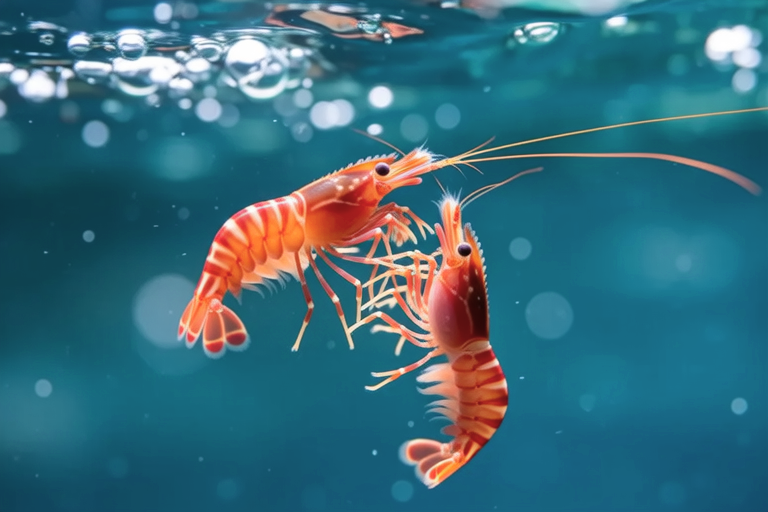
How to Care for Coral Shrimp: Tips from an Expert Aquarist
Coral shrimp, also known as Pleoticus robustus, are captivating creatures that have become increasingly popular among aquarists. These small, colorful crustaceans are not only visually appealing but also play a crucial role in maintaining the health of your aquarium ecosystem. This article will guide you through the ins and outs of caring for coral shrimp, providing valuable insights from an expert aquarist.
Introduction to Coral Shrimp
Coral shrimp are native to the tropical waters of the western Atlantic Ocean, particularly around the Caribbean Sea and the Gulf of Mexico. They thrive in shallow, warm waters where there is abundant coral reef structure and algae growth. Their natural habitat is characterized by strong currents, rocky substrates, and an abundance of live rock, which provides them with hiding spots and food sources.
These shrimp are omnivorous scavengers, feeding on algae, detritus, and small particles of organic matter. In the wild, they help keep coral reefs clean by removing debris and promoting healthy coral growth. Their vibrant colors, ranging from reds and oranges to blues and greens, make them a striking addition to any aquarium.
As aquarium inhabitants, coral shrimp are highly sought after for their unique appearance and beneficial role in maintaining tank cleanliness. They are relatively easy to care for, making them ideal for both novice and experienced aquarists.
Natural Habitat and Tank Setup
Creating a suitable environment for coral shrimp involves replicating their natural habitat as closely as possible. The first step is to choose the right tank size. While coral shrimp can be kept in smaller tanks, a larger volume of water provides more stability in water parameters and allows for better filtration. A minimum tank size of 20 gallons is recommended for a small group of shrimp.
Water parameters are critical for the health and longevity of coral shrimp. Maintain a temperature range between 72°F and 82°F (22°C to 28°C), with a pH level between 8.1 and 8.4. Ensure salinity levels are consistent at approximately 1.023 to 1.025 specific gravity. Regular testing with appropriate test kits is essential to monitor these parameters.
Filtration is another key aspect of setting up the perfect tank environment. Coral shrimp prefer gentle water flow, so avoid overly powerful filters or powerheads. Instead, opt for sponge filters or low-flow powerheads that provide adequate oxygenation without creating strong currents. Live rock is an important component of the tank setup, as it provides hiding spots and a surface for algae growth, which serves as a food source for the shrimp.
When selecting tank mates, it’s crucial to consider compatibility. Coral shrimp are peaceful creatures and can coexist with most other peaceful fish and invertebrates. However, avoid keeping them with larger, aggressive species that may view them as prey. Suitable tank mates include small, non-aggressive fish like cardinal tetras, dwarf gouramis, and neon tetras. Other compatible invertebrates include hermit crabs and certain species of snails.
Diet and Feeding Habits
Maintaining a balanced diet is vital for the optimal health of coral shrimp. In the wild, they feed on a variety of algae, detritus, and small particles of organic matter. In the aquarium, you can replicate this diet by offering a mix of algae wafers, sinking pellets, and blanched vegetables like zucchini and spinach. Additionally, you can provide occasional treats such as frozen brine shrimp or bloodworms.
Feeding frequency and quantity are equally important. Feed your shrimp small amounts of food daily, ensuring that uneaten food is removed within a few hours to prevent water quality issues. Overfeeding can lead to excessive waste and harmful bacteria buildup, so monitor your shrimp’s eating habits carefully.
Encourage natural feeding behaviors by incorporating live rock and providing plenty of hiding spots. This not only mimics their natural environment but also helps maintain a healthy balance of microorganisms and algae in the tank.
Monitoring and Maintaining Water Quality
Regular maintenance is crucial for keeping your coral shrimp healthy and thriving. Perform weekly water changes of about 10-20% to remove accumulated waste and replenish essential minerals. During water changes, take the opportunity to clean the filter media and inspect the tank for any signs of distress or disease.
Monitor water quality parameters closely using reliable test kits. Keep an eye on ammonia, nitrite, and nitrate levels, aiming for zero ammonia and nitrite, and nitrate levels below 20 ppm. High nitrate levels can stress shrimp and lead to health problems, so addressing this issue promptly is essential.
To further enhance water quality, consider adding a protein skimmer if you have a saltwater tank. Protein skimmers help remove dissolved organic compounds before they break down into harmful substances. Additionally, regular vacuuming of the substrate will help maintain cleanliness and prevent the buildup of harmful bacteria.
Spotting and Treating Common Health Issues
Despite proper care, coral shrimp may still encounter health issues. Common problems include parasitic infections, bacterial infections, and environmental stress. Early detection is key to successful treatment.
If you notice shrimp displaying unusual behavior, such as lethargy, loss of color, or difficulty moving, investigate potential causes. Parasites may appear as white spots or cysts on the shrimp’s body. Bacterial infections often manifest as cloudy eyes or lesions. Environmental stress can result from poor water quality, inadequate hiding spots, or overcrowding.
To treat parasitic infections, quarantine affected shrimp in a separate tank and administer appropriate medications under the guidance of an aquatic veterinarian. For bacterial infections, improve water quality and consider using antibiotics specifically formulated for crustaceans. Always follow dosage instructions carefully to avoid harming the shrimp.
Prevention is always better than cure. By maintaining excellent water quality, providing a varied diet, and minimizing stress factors, you can significantly reduce the risk of health issues in your coral shrimp.
Breeding Coral Shrimp
Breeding coral shrimp can be a rewarding experience for dedicated aquarists. To encourage breeding, ensure your tank meets all necessary requirements for a healthy shrimp population. Provide ample hiding spots, a balanced diet, and stable water conditions. Breeding pairs typically form naturally when there is a good ratio of males to females.
The breeding process begins with courtship behavior, where males perform elaborate dances to attract females. Once a pair has formed, the female will carry eggs under her tail for several weeks. During this time, she requires additional nutrition to support the developing embryos. Offer high-quality foods rich in protein and vitamins.
After hatching, baby shrimp, known as nauplii, will drift through the water column for a short period before settling on the substrate. At this stage, they are highly vulnerable and require careful monitoring. Provide fine-grained sand or crushed coral to facilitate their transition to the benthic lifestyle. Feeding newly hatched brine shrimp or infusoria can help sustain the young shrimp until they reach maturity.
Maintaining a healthy shrimp population offers numerous benefits. Not only does it contribute to the overall biodiversity of your aquarium, but it also ensures genetic diversity and resilience against potential threats. Breeding programs can help preserve rare or endangered species, contributing positively to conservation efforts.
Conclusion
Caring for coral shrimp is a rewarding endeavor that requires attention to detail and dedication. By understanding their natural habitat and replicating it in your aquarium, providing a balanced diet, and maintaining excellent water quality, you can ensure the health and happiness of your shrimp. With the right knowledge and care, you can enjoy the beauty and benefits of these fascinating creatures for years to come.
