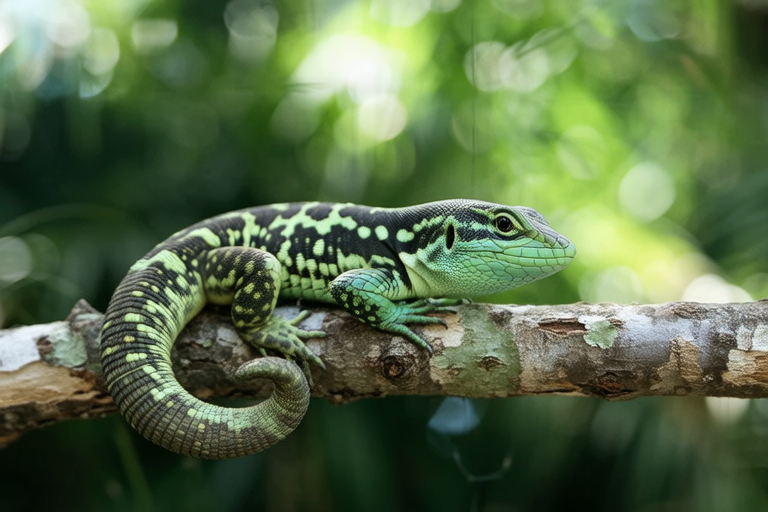
The Ultimate Checklist Before Bringing a Chameleon into Your Family
Bringing a chameleon into your family is an exciting venture, but it also comes with significant responsibilities. Chameleons are fascinating creatures with unique needs that require careful consideration before making them part of your household. This comprehensive guide will walk you through everything you need to know to prepare for your new pet.
Necessary Habitat Setup
Creating a suitable habitat for your chameleon is crucial for their health and well-being. Here’s what you need to consider:
Cage Size
Chameleons are arboreal, meaning they spend most of their time in trees. Therefore, a tall, spacious enclosure is essential. A minimum cage size for a single adult chameleon is 3 feet wide, 3 feet deep, and 4 feet high. Larger enclosures are preferable, especially if you plan to house multiple chameleons or want to provide ample space for enrichment activities.
Lighting Requirements
Proper lighting is vital for chameleons as it simulates natural sunlight, which aids in digestion and calcium absorption. You’ll need two types of lights: UVB and basking. UVB light should cover at least 75% of the cage, and it must be replaced every six months to maintain its effectiveness. Basking lights should reach temperatures between 85°F and 95°F (29°C to 35°C) at the basking spot.
Temperature Control
Maintaining the right temperature gradient within the enclosure is key. The warmest part of the cage should be around 85°F to 95°F (29°C to 35°C), while the cooler side can range from 75°F to 85°F (24°C to 29°C). Use thermometers placed at various points within the enclosure to monitor temperatures accurately.
Dietary Needs
Chameleons have specific dietary requirements that must be met to ensure their health and longevity.
Specific Types of Food
Chameleons are insectivores, primarily consuming live insects such as crickets, dubia roaches, and silkworms. It’s important to vary the diet to provide a balanced intake of nutrients. Gut-loading insects with nutritious foods like fruits, vegetables, and commercial gut-load products enhances their nutritional value.
Feeding Frequency
Young chameleons may eat daily, while adults typically feed every other day. The amount of food provided depends on the size of the chameleon and the type of insects being offered. As a general rule, the length of the insects should not exceed the distance between the chameleon’s eyes.
Hydration Methods
Chameleons obtain most of their water intake through misting. Mist the enclosure several times a day to create droplets on leaves and branches where the chameleon can drink. Automated misting systems are available and can be beneficial for consistent hydration.
Health Concerns
Understanding common diseases and signs of illness is vital for maintaining your chameleon’s health.
Common Diseases
Metabolic bone disease (MBD) is one of the most prevalent issues in chameleons, caused by inadequate calcium intake or insufficient UVB exposure. Signs include lethargy, swelling of the lower jaw, and difficulty moving. Proper diet and lighting can prevent MBD.
Signs of Illness
Other signs of illness include loss of appetite, excessive sleeping, labored breathing, and changes in coloration or skin condition. Regular observation and prompt veterinary care are crucial if any symptoms are noticed.
Preventive Care
Scheduling regular check-ups with a reptile veterinarian, maintaining optimal environmental conditions, and providing a balanced diet are key to preventing health issues.
Handling and Social Interaction
Chameleons are solitary animals and do not enjoy frequent handling. Understanding their natural behavior and stress triggers is essential for minimizing stress.
Chameleon’s Natural Behavior
Chameleons are territorial and prefer solitude. They communicate through body language and color changes, often becoming stressed when handled or exposed to too much human interaction.
Stress Triggers
Handling, loud noises, and rapid movements can trigger stress responses in chameleons. It’s important to create a calm environment and handle them gently when necessary.
Tips for Ongoing Maintenance and Enrichment
To ensure a healthy, happy chameleon, follow these tips:
Ongoing Maintenance
Regular cleaning of the enclosure is necessary to prevent bacterial growth. Remove uneaten food promptly and clean the substrate or replace it as needed. Check all equipment, including lights and misters, regularly to ensure they are functioning correctly.
Enrichment Activities
Provide climbing structures, live plants, and hiding spots to stimulate natural behaviors. Rotate toys and branches periodically to keep the environment interesting. Watching your chameleon explore its surroundings can be both educational and entertaining.
In conclusion, bringing a chameleon into your family requires careful preparation and ongoing commitment. By setting up an appropriate habitat, understanding dietary needs, addressing health concerns, and respecting their natural behavior, you can provide a loving home for your new pet. With proper care, your chameleon can thrive and bring joy to your household for many years.
