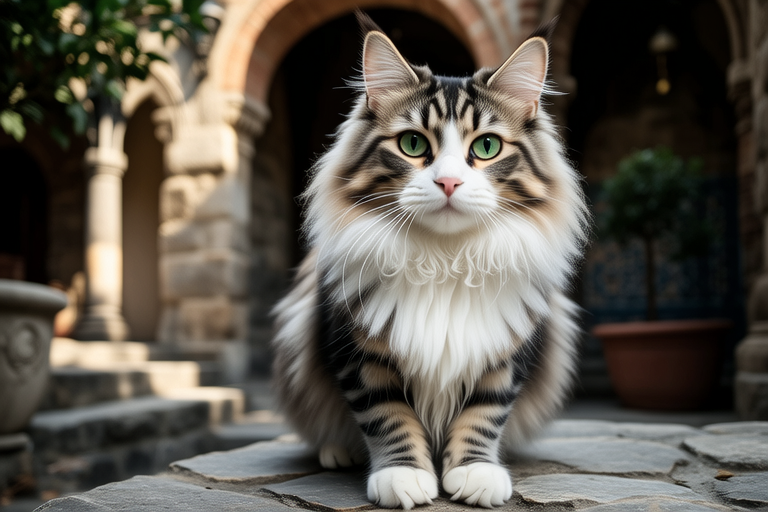
The Historical Significance and Cultural Symbolism of Turkish Angora Cats
The Turkish Angora, a breed of cat known for its striking appearance and elegant demeanor, holds a significant place in both Turkish history and global feline culture. Originating from the Ankara region of central Turkey, these cats have transitioned from being royal pets to cherished companions across the world. Their journey is intertwined with tales of royalty, mythology, and selective breeding, making them a symbol of grace and mystery.
From Royal Pets to Beloved Companions
Historically, Turkish Angoras were highly prized by Ottoman sultans and other nobility. These cats were often gifted as diplomatic presents, further spreading their influence and reputation. The cats’ association with royalty imbued them with an air of nobility and elegance, which continues to be a defining characteristic of the breed today. Their transition from exclusive royal pets to beloved household companions reflects broader societal changes, where once-exclusive animals have become part of everyday life.
Cultural Symbolism and Anecdotes from Turkish History and Folklore
In Turkish folklore, the Turkish Angora is often depicted as a guardian spirit or a bringer of good fortune. One popular myth tells of a Turkish Angora who saved a village from a marauding band of thieves. The cat led the thieves into a trap, ensuring the safety of the villagers. Such stories reinforce the belief in the cats’ protective nature and intelligence. Another tale involves a Turkish Angora that was believed to have guided a ship through treacherous waters, earning it the nickname “the sea cat.” These narratives highlight the cultural importance of Turkish Angoras and their perceived ability to navigate challenges.
Eyes: A Window to Their Mystique
The eyes of the Turkish Angora are one of their most distinctive features. They are typically large, almond-shaped, and come in a variety of colors, including blue, green, gold, and even heterochromia, where each eye is a different color. The blue-eyed variant is particularly revered, believed to be a result of a recessive gene. This gene, when inherited from both parents, results in a cat with piercing blue eyes. The reflective quality of their eyes adds to their mystique, making them appear almost supernatural in dim lighting.
Genetic Basis and Selective Breeding
The genetic basis for the Turkish Angora’s eye color and shape lies in specific genes that control pigmentation and development. The recessive gene responsible for blue eyes affects the production of melanin, leading to a lack of pigment in the iris. Selective breeding has played a crucial role in preserving these traits over centuries. Breeders have carefully selected cats with desirable eye colors and shapes, ensuring that these characteristics are passed down to future generations. This meticulous breeding process has also helped maintain the breed’s overall health and vitality.
Personality Traits and Regal Heritage
Turkish Angoras are known for their playful, curious, and affectionate personalities. Their intelligence and agility make them excellent problem solvers and climbers. These traits can be linked back to their regal heritage, where they were valued for their ability to hunt and protect. Turkish Angoras are often described as being loyal to their families, forming strong bonds with their human companions. Their gentle yet assertive nature makes them ideal companions, offering both comfort and companionship.
Enduring Appeal in Modern Times
In modern times, the Turkish Angora continues to captivate people with its unique appearance and charming personality. Their popularity has grown beyond Turkey, with enthusiasts around the world appreciating their beauty and grace. The breed’s enduring appeal lies in its ability to bridge historical traditions with contemporary pet culture. As more people seek out pets that reflect their values and lifestyle, the Turkish Angora stands out as a breed that combines elegance, intelligence, and companionship.
Today, Turkish Angoras are not only cherished as family pets but also participate in various cat shows and competitions. Their distinctive appearance and personality traits make them a favorite among judges and spectators alike. The breed’s continued success in these events underscores its enduring appeal and relevance in the world of competitive cat breeding.
Conclusion
The Turkish Angora cat embodies the rich tapestry of Turkish history and culture. From their origins as royal pets to their current status as beloved companions, these cats have maintained their mystique and charm. Their unique eye characteristics, shaped by genetics and selective breeding, contribute to their allure. Anecdotes and myths from Turkish history and folklore further enhance their cultural significance, painting a picture of guardianship, intelligence, and grace. The personality traits of Turkish Angoras, rooted in their regal heritage, make them ideal companions for modern families. As we look to the future, it is clear that the Turkish Angora will continue to play an important role in bridging historical traditions with contemporary pet culture, ensuring its enduring appeal for generations to come.
