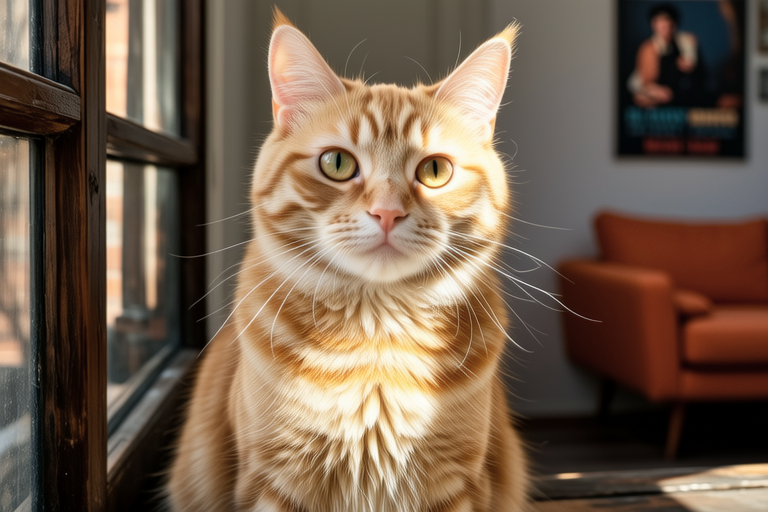
Orange Cats in Pop Culture: How They Stoned Our Hearts
Orange cats have long been captivating the hearts of millions across various forms of media. From movies to TV shows, literature, and even social media, these feline creatures have made significant contributions to pop culture, resonating deeply with audiences worldwide. Their distinct charm, combined with cultural significance, symbolism, and relatability, has made them unforgettable characters in the world of entertainment.
The Appeal of Orange Cats
Orange cats are often associated with warmth, comfort, and friendliness. Their vibrant coats make them stand out in any setting, drawing immediate attention. This natural appeal has been harnessed by creators across different mediums, who have crafted memorable characters that captivate audiences and leave a lasting impression.
Iconic Orange Cats in Movies
In cinema, orange cats have played pivotal roles, contributing to the emotional depth of films and connecting with viewers on a profound level. One such example is Cheshire Cat from Lewis Carroll’s “Alice in Wonderland,” brought to life in Tim Burton’s 2010 adaptation. With his enigmatic smile and cryptic advice, this character adds a layer of mystery and wonder to the film, making it a favorite among children and adults alike.
Another notable example is Garfield, the lazy but lovable orange tabby created by Jim Davis. In the animated film “Garfield: The Movie” (2004), he stars as a sarcastic and witty feline who navigates the complexities of human relationships. His sharp wit and endearing personality have endeared him to audiences, making him one of the most beloved cartoon characters of all time.
Orange Cats in Television
Television has also embraced orange cats, creating memorable characters that have left a lasting impact on viewers. In the long-running sitcom “The Golden Girls,” Edward Albert portrays a man who adopts a kitten named Salem, which later transforms into a mischievous orange cat. Salem becomes a central figure in the show, providing comic relief and adding a supernatural element to the storyline.
In the animated series “Tom and Jerry,” Tom, the perpetually frustrated housecat, often finds himself at odds with Jerry, the pesky mouse. Despite their constant battles, Tom’s orange fur and playful antics make him a fan favorite. His struggles and triumphs resonate with viewers, making him a relatable and endearing character.
Literary Contributions
In literature, orange cats have played significant roles, enriching stories and adding depth to characters. In “The Cat in the Hat,” Dr. Seuss introduces us to a mischievous orange cat who causes chaos in a household. His playful nature and disregard for rules have made him a beloved character among children and parents alike.
Another literary icon is Bastet, the Egyptian goddess depicted as a lioness or cat. Her association with the sun and her role as a protector of the pharaohs have made her an important figure in Egyptian mythology. This connection between orange cats and ancient cultures highlights their enduring presence in human society.
Social Media Sensations
Orange cats have also found success in the digital age, becoming internet sensations through viral videos and social media posts. Videos of playful and curious orange kittens have gone viral, capturing the hearts of millions. These clips showcase the unique charm and appeal of orange cats, making them relatable and endearing to audiences.
One such viral sensation is Lil Bub, a quirky and adorable orange cat known for her distinctive appearance and personality. Her online presence has garnered millions of followers, making her a beloved figure in the world of social media. Lil Bub’s story serves as an inspiration to many, highlighting the power of social media to connect people and share positive messages.
Cultural Significance and Symbolism
Orange cats hold cultural significance and symbolic meaning, representing warmth, comfort, and friendship. In many cultures, cats are considered sacred animals, believed to possess magical powers and serve as protectors. This reverence for cats has been passed down through generations, shaping our perception of these creatures and their place in society.
The color orange itself carries symbolic meaning, often associated with creativity, enthusiasm, and energy. When combined with the natural charm of cats, this creates a powerful symbol of positivity and joy. This symbolism has been embraced by creators across different mediums, who have crafted characters that reflect these qualities and resonate with audiences on a deep level.
Relatability and Emotional Connection
Orange cats have the unique ability to connect with viewers on an emotional level, creating a sense of relatability and shared experience. Their playful nature, curiosity, and affectionate behavior make them relatable to many, fostering a sense of empathy and understanding. This emotional connection is further enhanced by the cultural significance and symbolism associated with orange cats, making them unforgettable characters in the world of entertainment.
Whether through movies, TV shows, literature, or social media, orange cats have captured the hearts of millions, leaving a lasting impact on viewers and readers alike. Their distinct charm, combined with cultural significance, symbolism, and relatability, has made them unforgettable characters in the world of entertainment.
In conclusion, orange cats have stolen our hearts through their unique charm and appeal, contributing significantly to pop culture. Their roles in various forms of media have resonated deeply with audiences, creating a sense of relatability and emotional connection. As we continue to explore and celebrate these remarkable creatures, we can expect them to remain an integral part of our cultural landscape for years to come.
