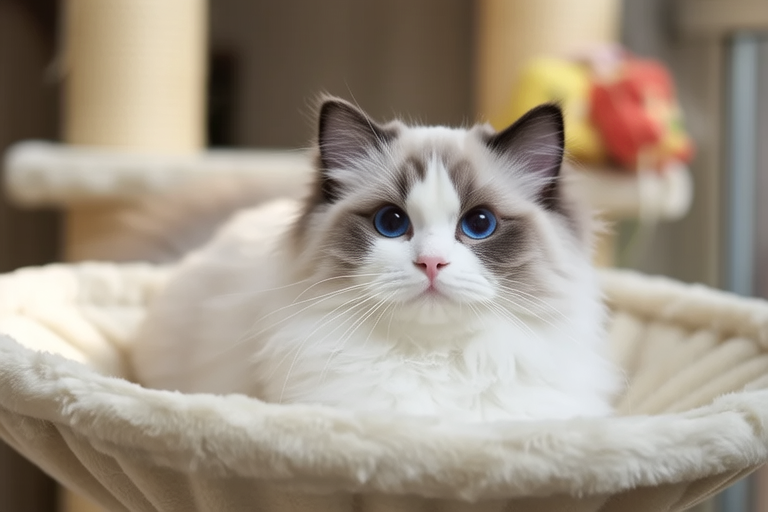
7 Secrets to Keeping Your Persian Cat Happy and Healthy
Persian cats are known for their striking appearance and gentle demeanor, but like all pets, they require special care to ensure they live long, happy, and healthy lives. As a responsible pet owner, you must pay attention to various aspects of your Persian cat’s well-being, including nutrition, grooming, environmental cleanliness, physical activity, health management, mental stimulation, and regular veterinary check-ups. This article will guide you through seven secrets that can help you keep your Persian cat happy and healthy.
1. Provide the Best Diet
The foundation of any pet’s health is a balanced and nutritious diet. Persian cats, with their unique physical characteristics, have specific dietary needs. To ensure your Persian cat enjoys optimal health, it is essential to offer them high-quality food that meets their nutritional requirements.
Avoid feeding your Persian cat table scraps or human food, as these can cause digestive issues and obesity. Instead, opt for premium cat food formulated specifically for Persians. These foods typically contain the right balance of protein, fats, carbohydrates, vitamins, and minerals necessary for their growth and maintenance. Look for brands that use real meat as the primary ingredient and avoid those containing fillers like corn, wheat, or soy.
Additionally, Persian cats are prone to urinary tract problems due to their long hair and sedentary lifestyle. To prevent urinary blockages, feed your cat wet food or add water to their dry food to increase their fluid intake. Wet food also helps keep their coat hydrated and glossy.
Finally, always provide fresh, clean water for your Persian cat. Consider using a cat water fountain to encourage them to drink more, especially if they are not fond of still water.
2. Regular Grooming
Persian cats are famous for their luxurious, long coats. While this is undoubtedly one of their most attractive features, it requires significant effort to maintain. Regular grooming is crucial to prevent matting, skin irritation, and hairballs.
To start, brush your Persian cat daily using a slicker brush designed for long-haired breeds. This will help remove loose fur and prevent mats from forming. Pay extra attention to areas where hair tends to tangle, such as behind the ears and under the legs. If you notice any knots, carefully work them out with your fingers before brushing.
In addition to brushing, bathing your Persian cat every few weeks is essential. Use a gentle, cat-specific shampoo and warm water to avoid drying out their skin. Be sure to rinse thoroughly to remove all soap residue, as this can irritate their sensitive skin. After bathing, gently towel-dry your cat and use a blow dryer set to a low heat setting to finish the job.
Trimming your Persian cat’s nails regularly is also important. Long nails can cause discomfort and even injury if they become too sharp. Use nail clippers designed for cats and trim only the tips to avoid cutting into the quick, which can cause bleeding and pain.
By keeping your Persian cat’s coat and nails well-maintained, you’ll not only enhance their appearance but also improve their overall comfort and well-being.
3. Maintain a Clean Environment
Persian cats are susceptible to respiratory issues due to their flat faces and narrow nostrils. To reduce the risk of infections and allergies, it is vital to maintain a clean living environment.
Vacuum your home frequently to remove dust, dander, and hair from carpets and furniture. Invest in a vacuum cleaner with a HEPA filter to capture small particles that can trigger allergies. Wash your Persian cat’s bedding weekly in hot water to eliminate allergens and bacteria.
Ensure your Persian cat has access to fresh air by opening windows when possible. However, be cautious about drafts, as they can cause colds and respiratory problems. If you live in an area with high pollution levels, consider using an air purifier to improve indoor air quality.
Lastly, provide your Persian cat with plenty of soft, comfortable resting spots. Persian cats love to lounge around, so make sure they have cozy blankets and pillows scattered throughout your home. Avoid placing their beds near drafty areas or in direct sunlight, as this can cause overheating.
4. Ensure Proper Exercise
Despite their elegant appearance, Persian cats are often described as couch potatoes. Their docile nature and long, flowing coats may make them appear inactive, but regular exercise is still necessary to maintain their physical and mental health.
Encourage your Persian cat to engage in playtime with interactive toys that stimulate their hunting instincts. Feather wands, laser pointers, and puzzle feeders are excellent choices for getting your cat moving. Play sessions should last at least 10-15 minutes twice a day to keep your cat mentally stimulated and physically active.
If your Persian cat enjoys climbing, consider investing in a cat tree or tower. These structures provide a safe space for your cat to explore and exercise their muscles. Look for models with multiple levels, scratching posts, and plush surfaces for lounging.
Regular exercise helps prevent obesity, strengthens muscles, and improves cardiovascular health. It also reduces the likelihood of behavioral issues, such as aggression or destructive behavior, that can arise from boredom or excess energy.
5. Manage Health Issues Common to Persian Cats
Like all breeds, Persian cats are prone to certain health conditions. Being aware of these issues and taking proactive steps to manage them can significantly impact your cat’s longevity and quality of life.
One of the most common health problems affecting Persian cats is polycystic kidney disease (PKD). This genetic disorder causes cysts to develop in the kidneys, leading to kidney failure over time. Unfortunately, there is no cure for PKD, but early detection through ultrasound screening can help manage symptoms and prolong your cat’s life.
Persian cats are also susceptible to upper respiratory infections (URIs) due to their brachycephalic (flat-faced) anatomy. URIs are caused by viruses or bacteria and can lead to sneezing, runny eyes, and nasal discharge. Keep your Persian cat up-to-date on vaccinations and avoid exposing them to other sick animals to minimize the risk of infection.
Obesity is another concern for Persian cats, particularly those who spend most of their time indoors. To prevent weight gain, monitor your cat’s food intake and portion sizes carefully. Offer healthy treats and engage your cat in regular play sessions to burn off excess calories.
By staying informed about potential health risks and working closely with your veterinarian, you can help your Persian cat overcome or manage these challenges effectively.
6. Create a Stimulating Environment
Providing mental stimulation is just as important as physical exercise for your Persian cat. A bored cat may become stressed, anxious, or exhibit destructive behaviors. Creating an enriching environment will keep your cat entertained and engaged.
Introduce new toys and puzzles periodically to keep your Persian cat interested. Rotate their toys every few days to maintain novelty and excitement. Consider adding interactive toys that dispense treats or require problem-solving skills to keep your cat thinking.
Provide your Persian cat with vertical spaces, such as cat trees, shelves, or window perches. These elevated areas allow your cat to observe their surroundings from a higher vantage point, satisfying their natural curiosity and providing a sense of security.
Spending quality time with your Persian cat each day is crucial for their emotional well-being. Engage in play sessions, cuddle, and talk to your cat to strengthen your bond and reduce feelings of loneliness or anxiety.
7. Schedule Routine Veterinary Care
Regular veterinary check-ups are essential for maintaining your Persian cat’s health. Annual wellness exams allow your veterinarian to catch potential health issues early, preventing minor problems from becoming serious concerns.
In addition to annual exams, schedule semi-annual dental cleanings to prevent periodontal disease, which is common in older cats. Dental problems can lead to more severe health issues, including heart and kidney disease, so it’s essential to take preventive measures.
Spaying or neutering your Persian cat is recommended unless you plan to breed them. This procedure not only prevents unwanted litters but also reduces the risk of certain cancers and behavioral issues.
Lastly, discuss with your veterinarian the appropriate vaccination schedule for your Persian cat. Vaccinations protect against diseases like rabies, feline leukemia, and feline distemper, which can be deadly if left untreated.
By following these seven secrets, you can ensure your Persian cat leads a happy, healthy, and fulfilling life. Remember that every cat is unique, so it’s essential to tailor your approach based on your pet’s individual needs and preferences. With dedication and care, you can enjoy many years of companionship with your beloved Persian cat.
