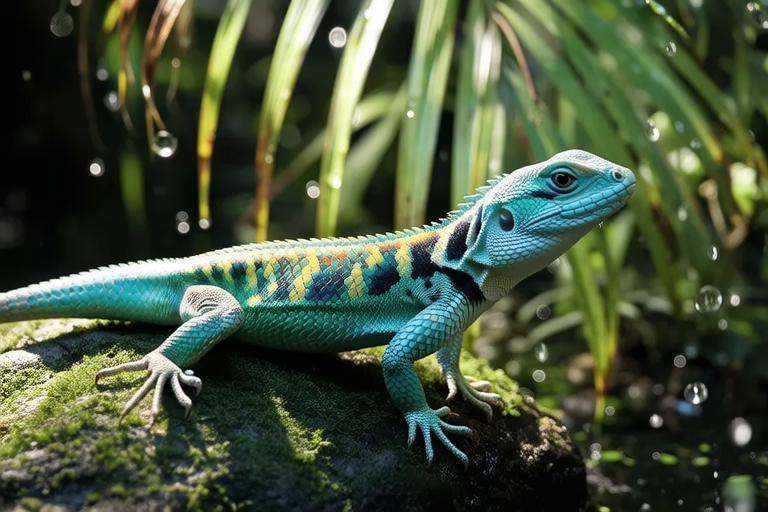
The Ultimate Guide to Caring for Your Splendid Japalure
Introduction
Welcome to the world of splendid Japalures! These fascinating creatures have captured the hearts of many pet enthusiasts with their unique charm and delightful personalities. This comprehensive guide will provide you with all the information you need to ensure your Japalure thrives in its new home. Whether you’re a first-time owner or an experienced caretaker, this guide will offer valuable insights and practical advice.
Japalure Origin and History
The Japalure, a hybrid of the Japanese Chin and the Pekingese, has an intriguing history that dates back centuries. Originating from ancient China, these small dogs were bred to be companions for royalty and nobility. Their name, “Japalure,” combines elements from both parent breeds, reflecting their dual heritage. Over time, they have become beloved pets known for their loyalty and affectionate nature.
Ideal Living Environment Setup
Space Requirements
Japalures are relatively small dogs, so they don’t require vast amounts of space. However, they still need a comfortable living area that provides them with adequate room to move around. A cozy bed, soft blankets, and toys are essential for their comfort. Ensure that their living space is free from hazards such as electrical cords and small objects that could pose choking risks.
Temperature and Humidity
These dogs thrive in moderate temperatures between 60°F and 75°F (15°C and 24°C). They are sensitive to extreme heat and cold, so it’s important to monitor the temperature in their environment. In hot weather, provide them with plenty of shade and fresh water. During colder months, consider using a heated dog bed or sweater to keep them warm.
Safe and Comfortable Areas
Create designated areas within your home where your Japalure can feel safe and secure. This might include a quiet corner with their bed and favorite toys, as well as access to outdoor spaces if possible. If you have other pets or children, ensure that these areas are easily accessible and protected from potential disturbances.
Dietary Requirements
Nutritional Needs
A balanced diet is crucial for maintaining your Japalure’s health and vitality. High-quality dog food that meets the nutritional standards set by organizations like AAFCO is recommended. Look for foods rich in protein, vitamins, and minerals to support their overall well-being. Consult with your veterinarian to determine the appropriate portion sizes based on your Japalure’s age, weight, and activity level.
Feeding Schedule
Establishing a consistent feeding schedule helps regulate your Japalure’s digestion and energy levels. Two meals per day, spaced evenly apart, is generally sufficient. Avoid overfeeding, as Japalures can be prone to obesity. Treats should also be given sparingly, and always choose healthy options that complement their regular diet.
Water Intake
Ensure your Japalure has access to clean, fresh water at all times. Regular hydration is vital for their overall health and can help prevent urinary tract infections. Consider placing multiple water bowls throughout your home to encourage frequent drinking.
Health Care Tips
Vaccinations and Preventive Care
Schedule regular visits to the veterinarian to ensure your Japalure stays up-to-date with vaccinations and preventive treatments. Common vaccinations include those for distemper, parvovirus, and rabies. Additionally, routine check-ups can help detect any health issues early, ensuring prompt treatment.
Grooming and Hygiene
Frequent brushing helps maintain your Japalure’s coat and prevents matting. Use a soft-bristled brush to gently remove loose fur and debris. Bathe your Japalure every few weeks or as needed, using a mild shampoo specifically formulated for dogs. Pay special attention to their ears, eyes, and nails during grooming sessions to keep them clean and healthy.
Exercise and Mental Stimulation
Regular exercise is important for maintaining your Japalure’s physical and mental health. Daily walks or playtime in a secure area provide them with the necessary physical activity. Additionally, engage your Japalure in mentally stimulating activities such as puzzle toys or obedience training to keep their minds sharp.
Grooming Needs
Bathing Frequency
Bathe your Japalure every four to six weeks, depending on their individual needs. Use a gentle dog shampoo to avoid stripping their natural oils. After bathing, thoroughly dry them with a towel and consider using a blow dryer on a low, cool setting if necessary.
Haircut and Trimming
If desired, you can give your Japalure a haircut or trim their fur to maintain a neat appearance. Professional groomers can provide expert cuts, but some owners prefer to learn basic trimming techniques themselves. Be cautious when handling scissors near their face and paws.
Ear Cleaning
Clean your Japalure’s ears regularly to prevent infections. Use a cotton ball or soft cloth dipped in a solution of water and vinegar to gently wipe away dirt and debris. Avoid inserting anything into the ear canal, as this can cause injury.
Training Methods
Positive Reinforcement
Positive reinforcement is the most effective method for training your Japalure. Reward good behavior with treats, praise, and affection. Consistency is key, so establish clear rules and expectations from the outset. Patience is essential, as Japalures may take longer to learn certain commands due to their independent nature.
Basic Commands
Teach your Japalure basic commands such as “sit,” “stay,” “come,” and “leave it.” Start with simple tasks and gradually increase the difficulty as they master each command. Use short, concise phrases and maintain a calm demeanor during training sessions.
Behavior Modification
If your Japalure exhibits undesirable behaviors, address them promptly through positive reinforcement and redirection. For example, if they chew on inappropriate items, provide them with appropriate toys and redirect their attention when necessary. Seek professional guidance if persistent behavioral issues arise.
Common Behaviors
Playfulness
Japalures are naturally playful and enjoy interacting with their owners. They often engage in playful biting and chasing games, which can be fun but should be supervised to prevent accidents.
Loyalty and Affection
Known for their strong bond with their owners, Japalures are incredibly loyal and affectionate. They thrive on companionship and enjoy spending quality time with their human families. Providing ample attention and affection helps strengthen this bond.
Independence
Despite their affectionate nature, Japalures can be somewhat independent. They may not always seek constant attention and can entertain themselves for short periods. This independence makes them adaptable to various living situations.
Advice on Integrating Them into Family Life
Introducing New Members
When introducing a new Japalure to your family, allow them to acclimate gradually. Give them time to explore their new surroundings and meet each family member individually. Encourage gentle interactions and positive experiences to build trust.
Handling Children
Teach children how to interact safely and respectfully with your Japalure. Supervise interactions to prevent accidental harm. Encourage gentle petting and playing to foster a positive relationship between your Japalure and children.
Traveling with Your Japalure
Prepare for trips by acclimating your Japalure to car rides beforehand. Use a secure harness or carrier to ensure their safety during travel. Bring along familiar items such as their bed and toys to provide comfort. Consult with your veterinarian about any necessary precautions, especially if traveling long distances.
Conclusion
Caring for a Japalure is a rewarding experience that brings joy and companionship into your life. By understanding their origins, providing a suitable living environment, meeting their dietary needs, and addressing their grooming and training requirements, you can ensure that your Japalure lives a happy and healthy life. Remember to consult with professionals when needed and always prioritize your Japalure’s well-being. Enjoy the journey of raising this splendid companion!
