The Versatile Poodle: A Comprehensive Guide
When it comes to intelligent and versatile dogs, the poodle stands out as one of the most remarkable breeds. With a rich history, impressive training capabilities, and a wide range of roles in various activities, the poodle has earned its place as an exceptional companion. This guide explores the intelligence, versatility, and unique traits of poodles, covering their history, training capabilities, and role in activities such as agility and therapy work. We will also delve into their grooming needs, common health issues, and dietary requirements, providing insights from professional trainers and veterinarians. Additionally, we’ll share personal stories and anecdotes that highlight the smart behavior and loyalty of these remarkable dogs.
A Rich History
The poodle’s origins can be traced back to Germany, where they were originally bred as water retrievers. Their name, “poodle,” comes from the German word “pudel,” meaning “to splash in water.” The breed was later refined in France, where they became popular among nobility and royalty. Poodles come in three sizes: standard, miniature, and toy, each with distinct characteristics but sharing the same intelligent and trainable nature.
Training Capabilities
Poodles are known for their exceptional intelligence and trainability, ranking among the top five most intelligent dog breeds. Their ability to learn quickly and follow commands makes them ideal candidates for obedience training, agility competitions, and other activities requiring mental and physical engagement. Professional trainer Sarah Johnson explains, “Poodles excel in training because they are eager to please and have a strong desire to understand what is expected of them. They thrive on positive reinforcement and enjoy working with their owners.”
Agility and Therapy Work
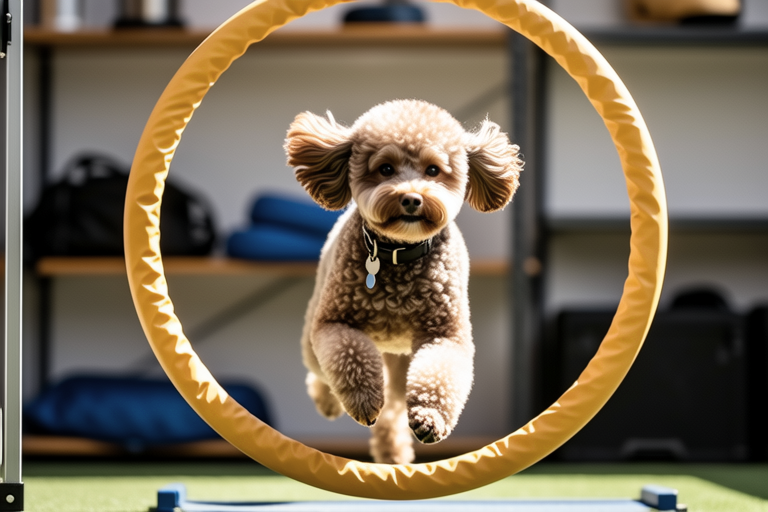
In addition to their intelligence, poodles are highly adaptable and excel in various activities. They participate in agility competitions, where they demonstrate their speed, agility, and problem-solving skills. Poodles are also commonly used in therapy work, providing comfort and support to those in need. Their calm demeanor and gentle nature make them excellent companions for individuals with disabilities or those seeking emotional support.
Grooming Needs
One of the most distinctive features of poodles is their luxurious coat, which requires regular grooming to maintain its beauty and prevent matting. Grooming sessions should include brushing, bathing, trimming, and ear cleaning. Regular visits to a professional groomer are recommended to ensure proper care and maintenance. Pet stylist Lisa Thompson advises, “It’s important to start grooming your poodle early and make it a positive experience. This helps build trust and ensures they remain comfortable during future sessions.”
Common Health Issues
Despite their overall good health, poodles are prone to certain genetic conditions, including hip dysplasia, epilepsy, and progressive retinal atrophy. Regular veterinary check-ups and a healthy lifestyle can help prevent or manage these issues. Veterinarian Dr. Michael Lee emphasizes, “Early detection and intervention are key to maintaining your poodle’s health. Regular screenings and a balanced diet can significantly reduce the risk of developing serious health problems.”
Dietary Requirements
A well-balanced diet is essential for maintaining a poodle’s energy levels and overall health. High-quality dog food containing protein, fat, carbohydrates, vitamins, and minerals is recommended. Consultation with a veterinarian can help determine the appropriate amount and type of food based on your poodle’s age, size, and activity level. Dr. Lee adds, “Feeding your poodle a nutritious diet is crucial for their well-being. Avoid overfeeding and opt for high-quality ingredients to ensure optimal health.”
Personal Stories and Anecdotes
Many dog enthusiasts and owners have shared heartwarming stories and anecdotes about their poodles’ smart behavior and loyalty. One owner, Emily Davis, recalls, “My poodle, Max, saved my life by alerting me to a fire in the kitchen. He barked persistently until I noticed the smoke, allowing us to escape safely. His quick thinking and loyalty are truly remarkable.”
Another owner, Mark Smith, shares, “Our poodle, Bella, has a unique talent for fetching items from high places. She uses her intelligence and agility to reach objects that would otherwise be out of reach. Her playful nature and problem-solving skills make her an entertaining and endearing companion.”
Conclusion
The poodle is a remarkable breed with a rich history, impressive training capabilities, and a wide range of roles in various activities. Their intelligence, versatility, and unique traits make them exceptional companions. By understanding their grooming needs, common health issues, and dietary requirements, you can provide the best care for your poodle. Personal stories and anecdotes further highlight their smart behavior and loyalty, making them a beloved choice for many dog enthusiasts and potential owners. Whether you’re considering adding a poodle to your family or already have one, this guide provides valuable insights into their remarkable qualities and the joy they bring to their owners.
