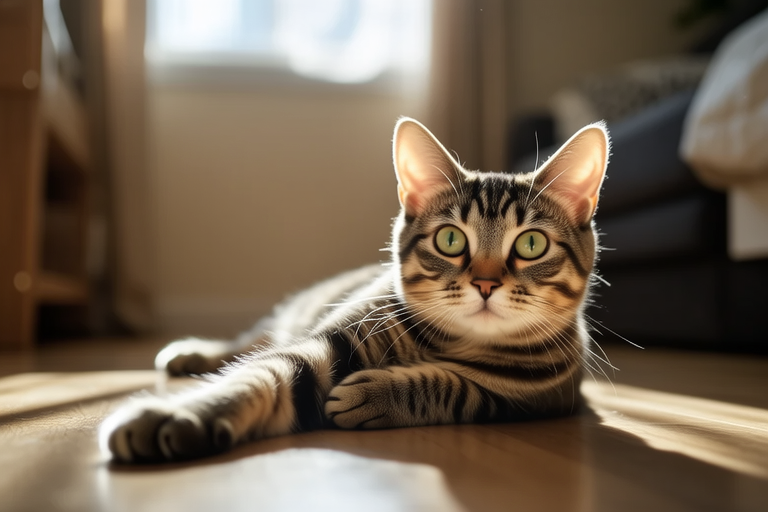
From Cuddlebugs to Climbers: Everything You Need to Know About Munchkin Cats
Munchkin cats have captured the hearts of cat lovers worldwide with their unique appearance and endearing personalities. These charming felines, known for their exceptionally short legs, are a relatively new breed that has sparked both admiration and controversy. In this comprehensive guide, we’ll explore everything you need to know about Munchkin cats, from their origins to their care and companionship.
What Are Munchkin Cats?
Munchkin cats are a breed characterized by their disproportionately short legs. This genetic mutation results in a body that is shorter than average, giving them a distinctly low-slung, elf-like appearance. Despite their diminutive stature, Munchkins are surprisingly agile and energetic, often surprising their owners with their playful antics.
The Origin and History of Munchkin Cats
The Munchkin breed emerged in the late 20th century, originating from a single spontaneous mutation in a domestic cat population. The breed’s history is marked by both excitement and controversy. In 1983, Sandra Hochenedel discovered a pregnant stray with unusually short legs in Louisiana. She named the cat Blackberry, and one of her kittens, Toulouse, was later bred with a Persian cat to establish the Munchkin breed.
The introduction of the Munchkin breed has been met with mixed reactions from the cat fancy community. Critics argue that the short-legged trait can lead to various health issues, while proponents praise the breed’s adaptability and affectionate nature. Despite these debates, Munchkin cats have gained popularity due to their unique appearance and gentle demeanor.
Physical Characteristics of Munchkin Cats
Munchkin cats come in a variety of coat types, colors, and patterns, but their most distinguishing feature is undoubtedly their short legs. Their bodies are typically proportionate, with a well-balanced structure that compensates for their reduced leg length. Their large, round eyes and small, pointed ears add to their charm and make them easily recognizable.
There are two main varieties within the Munchkin breed: standard and long-haired. Standard Munchkins have short, dense coats, while long-haired Munchkins have longer, silky fur that requires more grooming. Regardless of their coat type, Munchkins are known for their soft, plush fur that feels like velvet to the touch.
Temperament and Personality
Munchkin cats are known for their friendly and sociable nature, making them excellent companions for families and individuals alike. They are often described as curious, playful, and highly adaptable, thriving in environments where they can explore and interact with their surroundings. Their playful nature makes them ideal playmates for children, provided they are supervised to ensure safety.
Despite their active lifestyle, Munchkins are also known for their calm and affectionate demeanor, often seeking out human interaction and companionship. They are generally good-natured and patient, which makes them suitable for households with other pets, including dogs and other cats.
Health Considerations
While Munchkin cats are generally healthy, their unique physiology does predispose them to certain health issues. One of the most significant concerns is lordosis, a condition where the spine curves inward, potentially leading to spinal problems. Regular veterinary check-ups and a healthy lifestyle can help mitigate these risks.
Another common issue among Munchkins is pectus excavatum, a chest deformity that can affect breathing and heart function. Genetic testing and careful breeding practices can help reduce the incidence of these conditions.
Caring for Your Munchkin Cat
Grooming
Munchkin cats require regular grooming to keep their coats healthy and free of tangles. Standard Munchkins should be brushed weekly, while long-haired Munchkins may need daily brushing to prevent matting. Pay special attention to areas around the legs and belly, where fur can become easily tangled.
Exercise and Play
Despite their short legs, Munchkins are quite active and enjoy engaging in play. Providing them with toys that stimulate their hunting instincts, such as feather wands and laser pointers, can help keep them entertained and physically fit. Encouraging interactive play sessions will not only promote their physical health but also strengthen the bond between you and your cat.
Nutrition
A balanced diet is crucial for maintaining your Munchkin’s health and vitality. Choose high-quality cat food that provides essential nutrients and is appropriate for their age and activity level. Consult with your veterinarian to determine the best feeding schedule and portion sizes for your individual cat.
Tips for Choosing a Munchkin Cat
If you’re considering adopting a Munchkin cat, it’s important to research reputable breeders who prioritize the health and well-being of their cats. Look for breeders who provide detailed health records and are willing to answer your questions about the breed.
Adoption stories from Munchkin owners highlight the joys of sharing life with these unique cats. Many owners report that their Munchkins have brought endless joy and companionship into their homes, enriching their lives in ways they never imagined.
Resources for Potential Owners
For those interested in learning more about Munchkin cats, there are numerous resources available. Books, online forums, and local cat clubs can provide valuable information and support. Engaging with these communities can help you connect with other Munchkin owners and learn about the latest trends and developments in the breed.
In conclusion, Munchkin cats are a delightful addition to any home, offering a unique blend of charm, playfulness, and affection. By understanding their origins, physical traits, and care requirements, you can ensure a happy and healthy life for your Munchkin companion. Whether you’re a first-time pet owner or a seasoned cat lover, a Munchkin cat can bring endless joy and companionship to your family.
