7 Common Health Issues in German Shepherds Every Owner Should Know
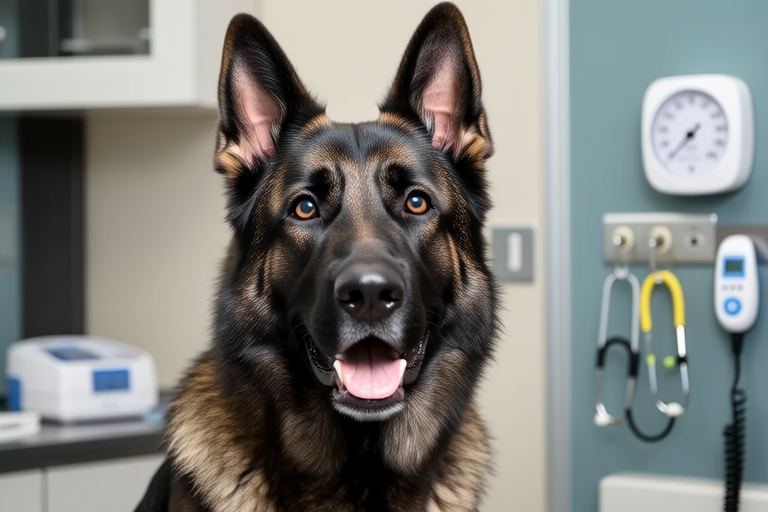
German Shepherds are one of the most popular dog breeds worldwide, known for their intelligence, loyalty, and versatility. They serve as police dogs, guide dogs, and companions. These large, muscular dogs are characterized by their distinct double coat, erect ears, and confident demeanor. However, like all breeds, they are prone to certain health issues that can affect their quality of life. As a responsible owner, it’s crucial to be aware of these potential problems to ensure your German Shepherd remains healthy and happy.
1. Hip Dysplasia
Symptoms: Limping, difficulty rising, reluctance to jump or climb stairs, reduced activity levels, and a noticeable ‘bunny hopping’ gait when running.
Potential Causes: Hip dysplasia occurs when the hip joint does not develop properly, leading to instability and pain. This condition is often genetic but can also be influenced by environmental factors such as rapid growth, excessive weight, and lack of exercise.
Preventive Measures/Treatments: To prevent hip dysplasia, feed your puppy a high-quality diet to support healthy bone development without promoting excessive weight gain. Regular low-impact exercise, like swimming, can help maintain muscle strength around the hips. If your dog develops hip dysplasia, treatment options range from medication to manage pain and inflammation to surgical intervention if necessary.
2. Elbow Dysplasia
Symptoms: Lameness in the front legs, especially after exercise, swelling around the elbow joint, and decreased activity levels.
Potential Causes: Elbow dysplasia involves the abnormal development of the elbow joint, causing discomfort and instability. Similar to hip dysplasia, genetics play a significant role, but environmental factors like rapid growth and obesity can exacerbate the condition.
Preventive Measures/Treatments: Feeding a balanced diet and avoiding overfeeding to prevent obesity is crucial. Early diagnosis through x-rays can lead to better outcomes. Treatment options include anti-inflammatory medications, physical therapy, and, in severe cases, surgery.
3. Degenerative Myelopathy
Symptoms: Weakness in the hind legs, loss of coordination, muscle atrophy, and eventual paralysis.
Potential Causes: Degenerative myelopathy is a progressive disease that affects the spinal cord, leading to nerve damage. While the exact cause is unknown, it is believed to have a genetic component, particularly in German Shepherds.
Preventive Measures/Treatments: There is no cure for degenerative myelopathy, but early intervention with physical therapy and supportive care can help manage symptoms and improve quality of life. Providing a supportive environment and regular exercise can slow down the progression of the disease.
4. Pancreatitis
Symptoms: Vomiting, diarrhea, loss of appetite, abdominal pain, dehydration, and lethargy.
Potential Causes: Pancreatitis is inflammation of the pancreas, which can occur due to dietary indiscretion, obesity, and genetic predisposition. High-fat diets and certain medications can trigger this condition.
Preventive Measures/Treatments: Avoid feeding table scraps and high-fat treats. Maintain a balanced diet and monitor your dog’s weight. In cases of acute pancreatitis, hospitalization may be required for fluid therapy and pain management. Chronic cases might require lifelong dietary changes.
5. Skin Allergies
Symptoms: Excessive scratching, biting, licking, redness, rashes, and hair loss.
Potential Causes: Skin allergies can be caused by environmental factors (like pollen or dust mites) or food sensitivities. German Shepherds are particularly susceptible to allergies, which can lead to chronic skin irritation.
Preventive Measures/Treatments: Identifying and eliminating the allergen source is key. Regular bathing with hypoallergenic shampoos and keeping the environment clean can help. Dietary trials to identify food allergies may be necessary. In some cases, antihistamines or corticosteroids can provide relief.
6. Ear Infections
Symptoms: Head shaking, scratching at the ears, discharge, odor, redness, and swelling.
Potential Causes: Moisture trapped in the ears, wax buildup, foreign objects, and bacteria or yeast overgrowth can all lead to ear infections. The floppy ears of German Shepherds can trap moisture, making them more prone to infections.
Preventive Measures/Treatments: Keeping the ears clean and dry is essential. Use a veterinarian-recommended ear cleaner to remove debris and excess wax. If an infection occurs, antibiotics or antifungal medications may be prescribed. Regular checks and gentle cleaning can prevent future infections.
7. Bloat
Symptoms: Swollen abdomen, drooling, pacing, restlessness, vomiting (often unsuccessful), and pale gums.
Potential Causes: Bloat, also known as gastric dilatation-volvulus (GDV), occurs when the stomach fills with gas and twists, cutting off blood supply. Large breed dogs with deep chests, like German Shepherds, are particularly at risk. Rapid eating, stress, and genetic predisposition can contribute to the condition.
Preventive Measures/Treatments: Feed smaller, more frequent meals and avoid exercise immediately after eating. Elevating the food bowl slightly can help reduce the risk. If bloat occurs, immediate veterinary attention is critical. Surgery may be required to correct the twist and prevent recurrence.
Maintaining Your German Shepherd’s Health
Regular visits to the veterinarian are essential for monitoring your dog’s health and addressing any concerns promptly. A balanced diet and appropriate exercise are vital for maintaining your German Shepherd’s overall well-being. Consult your vet about the best nutrition plan for your dog based on age, weight, and activity level. Regular exercise helps keep your dog fit and reduces the risk of obesity-related conditions.
By staying informed about these common health issues and taking proactive steps to prevent them, you can help ensure your German Shepherd lives a long, healthy, and happy life. Remember, early detection and prompt treatment can make all the difference in managing these conditions effectively.
