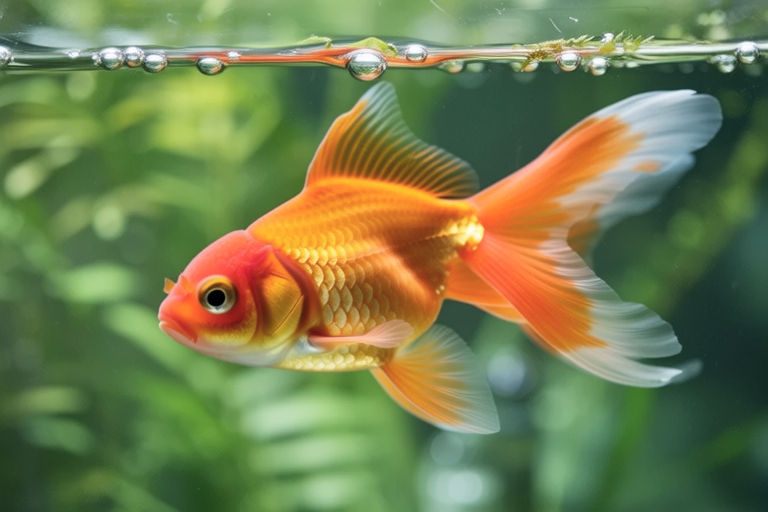
Goldfish Behavior Decoded: What Your Pet is Trying to Tell You
Welcome to the fascinating world of goldfish behavior! These colorful and often misunderstood pets have a lot to say about their well-being through their actions. Understanding your goldfish’s behavior can enhance your relationship with them and ensure they live happily and healthily. This article delves into the common behaviors of goldfish, the environmental factors that influence them, and how you can interpret these behaviors to maintain a healthy environment.
Eating Habits
One of the first things you might notice about your goldfish is their eating habits. Goldfish are known for their hearty appetites and can be seen chasing food with great enthusiasm. However, their feeding behavior can also reveal much about their health and happiness. Healthy goldfish will eat regularly and actively, while those that lose interest in food or eat too much may be signaling a problem.
Overfeeding is a common issue among goldfish owners, leading to obesity and poor water quality. Goldfish should be fed small amounts of food twice daily, ensuring that all food is consumed within a few minutes. If your goldfish are eating more than usual or less, it could indicate stress, illness, or a change in water conditions. Always monitor their eating habits closely.
Swimming Patterns
The way your goldfish swim can provide valuable insights into their physical condition. Healthy goldfish move gracefully through the water, gliding effortlessly from one side of the tank to another. Conversely, unusual swimming patterns, such as darting, floating upside down, or sinking to the bottom, can be indicative of health issues.
Darting around the tank could mean that your goldfish are stressed due to overcrowding, aggressive tank mates, or poor water conditions. Floating upside down or sinking to the bottom can signal swim bladder problems, which are often related to overeating or poor water quality. Ensuring proper water conditions and tank size is crucial for maintaining healthy swimming patterns.
Interactions with Tank Mates
If your goldfish share their home with other fish, observing their interactions can tell you a lot about their social dynamics. Goldfish are generally peaceful and enjoy the company of others, but conflicts can arise if the tank is too crowded or if there is competition for resources like food or space.
Avoid keeping goldfish with overly aggressive species that may chase or bully them. Goldfish also prefer larger tanks where they can spread out and avoid unnecessary confrontations. If you notice your goldfish hiding frequently or showing signs of distress when interacting with tank mates, it might be time to reevaluate the tank’s inhabitants or consider a larger tank.
Responses to Stimuli
Goldfish are curious creatures and often respond to stimuli in their environment. They may react to changes in lighting, temperature, or even the presence of new objects in the tank. Their reactions can help you understand what makes them comfortable and happy.
For example, goldfish often become more active and playful when lights are turned on, indicating that they are sensitive to light cycles. Similarly, introducing new plants or decorations can pique their curiosity, providing mental stimulation. However, sudden changes or the introduction of new elements can cause stress, so it’s important to introduce changes gradually and observe their reactions carefully.
Environmental Factors
The environment in which your goldfish live plays a significant role in their behavior. Water conditions, tank size, and lighting are key factors that can influence their health and happiness.
Water quality is paramount. Goldfish produce a lot of waste, so regular water changes are essential to maintain clean, oxygen-rich water. Ammonia and nitrite levels should be kept at zero, while nitrate levels should be kept as low as possible. Proper filtration helps keep the water clean, but it’s also crucial to avoid overcrowding the tank, as this can lead to poor water quality.
Tank size is equally important. Goldfish need ample space to swim and explore. A general rule is to provide at least 20 gallons of water per goldfish, with additional space for each additional fish. Larger tanks not only provide more swimming room but also better dilute waste, reducing the risk of poor water quality.
Lighting also affects goldfish behavior. Goldfish are diurnal animals, meaning they are most active during the day. Providing a consistent light cycle, typically 8-12 hours of light followed by darkness, can help regulate their activity levels and promote healthy sleep patterns.
Signs of Health and Stress
Being able to identify signs of health and stress in your goldfish is crucial for their well-being. Healthy goldfish are vibrant, active, and responsive to their surroundings. Their fins should be intact and their scales should be smooth and shiny.
Signs of stress or illness include lethargy, loss of appetite, clamped fins, rapid breathing, or visible sores or growths. If you notice any of these symptoms, it’s important to address the underlying cause promptly. Common causes of stress include poor water quality, overcrowding, and sudden changes in the environment.
To help alleviate stress, maintain a stable and enriched environment. Regular water changes, appropriate tank size, and a balanced diet are all essential. Additionally, providing hiding spots and toys can offer mental stimulation and reduce stress.
Maintaining a Healthy Environment
To ensure your goldfish exhibit natural, positive behaviors, it’s important to maintain a healthy and stimulating environment. Start by providing the right tank setup, including adequate filtration, appropriate tank size, and suitable decorations.
Regular maintenance, such as weekly water changes and monitoring water parameters, is essential. Testing for ammonia, nitrite, and nitrate levels can help you catch potential issues before they become serious. Also, make sure to feed your goldfish a balanced diet, offering variety in their meals to meet their nutritional needs.
Lastly, pay attention to the social dynamics within the tank. Goldfish thrive in groups, but overcrowding can lead to stress and aggression. Monitor their interactions and adjust the tank’s population as needed to ensure a harmonious community.
By understanding and addressing the environmental factors that influence goldfish behavior, you can create a nurturing and enriching habitat that allows your goldfish to thrive. With patience, care, and attention to detail, you’ll be able to decode the messages your goldfish are sending and provide them with the best possible life.
