Adorable Lop Rabbit Traits You Didn’t Know About!
When you think of rabbits, you might picture a fluffy white bunny with long ears perked up like satellite dishes. But what if we told you there’s a breed that flips the script—literally? Enter the lop rabbit: a charming, floppy-eared marvel whose unique features and endearing personality make them one of the most captivating pets in the animal kingdom.
With their droopy ears, soulful eyes, and an air of quiet intelligence, lop rabbits are more than just adorable—they’re full of surprises. Whether you’re considering adopting one or already share your home with a lop, this guide dives deep into the lesser-known traits that make these bunnies truly special. From quirky habits to essential care tips, get ready to fall head over heels for these gentle, expressive companions.
The Floppy Truth: What Makes Lop Ears So Special?
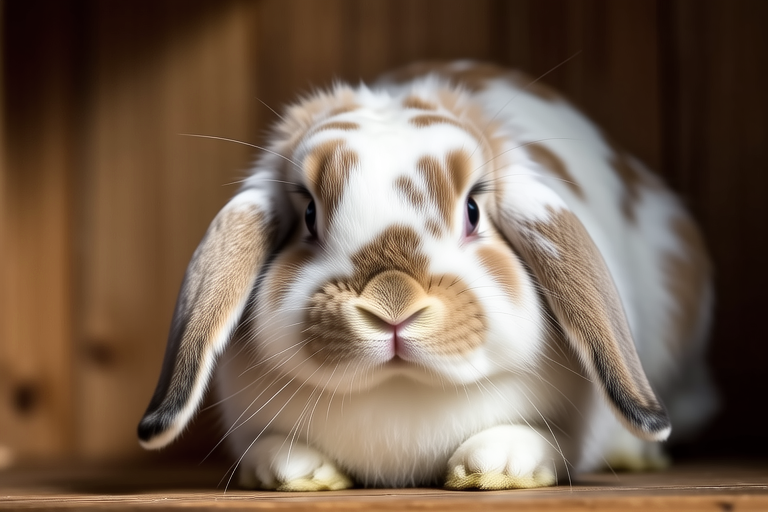
Let’s start with the most iconic feature—their famously drooping ears. Unlike other rabbit breeds whose ears stand tall and alert, lops boast ears that hang down like soft velvet curtains. This isn’t just a fashion statement; it’s a genetic quirk rooted in a recessive gene known as the “lop” trait.
There are several lop varieties—Flemish, Dutch, Miniature, and English lops—each with distinct ear shapes and sizes. The Flemish lop, for instance, has large, heavy ears that can extend past its nose when relaxed. Meanwhile, the English lop’s ears stretch nearly to the ground, giving it a perpetually surprised expression.
But here’s a fun fact: those floppy ears aren’t just for show. They help regulate body temperature by increasing surface area for heat dissipation. And while they may look fragile, lop ears are surprisingly resilient—though they do require extra care. Because they drape over the face, they’re more prone to moisture buildup, mites, and infections. Regular cleaning with a damp cloth (never water!) is essential to keep them healthy and happy.
Pro tip: If you notice redness, swelling, or a foul odor around the ear base, consult a veterinarian immediately. Early intervention prevents discomfort and serious complications.
Eyes That Speak Volumes: Expressive Gaze and Emotional Intelligence
Look into a lop rabbit’s eyes, and you’ll see more than just fur and pigment—you’ll see emotion. Their large, dark, and often slightly bulging eyes are not only beautiful but incredibly expressive.
Lop rabbits use their eyes to communicate subtle feelings. A wide-eyed stare isn’t always fear—it could be curiosity. When intrigued by a new toy or a sudden noise, their pupils dilate dramatically, making them appear even larger and more mesmerizing. Conversely, a slow blink or half-closed eye is a sign of trust and relaxation—a true rabbit “kiss.”
They’re also highly attuned to human emotions. Studies suggest rabbits can pick up on changes in our tone, posture, and energy levels. A lop rabbit will often nuzzle your hand or hop closer when you seem sad or stressed, offering silent comfort. It’s a gentle reminder that these creatures aren’t just pets—they’re emotional partners.
A Gentle Soul with a Playful Heart: Temperament Unveiled
Forget the stereotype of rabbits as timid, skittish animals. Lop rabbits are known for their calm, affectionate nature. They thrive on companionship and form deep bonds with their humans—and sometimes even with other pets.
Despite their gentle demeanor, lops are far from lazy. They’re curious explorers who love investigating new corners of the house, sniffing out hidden treats, and testing the limits of their environment. One owner shared how her English lop once figured out how to open a cabinet door by pushing the handle with its nose—after three failed attempts, no less.
They’re also naturally social. In the wild, rabbits live in colonies, and lops carry that instinct into domestic life. They enjoy being part of the action—sitting beside you while you read, hopping onto your lap during movie night, or even following you from room to room like a furry shadow.
However, don’t mistake their calmness for lack of energy. Lops have bursts of playful enthusiasm. Watch them execute a sudden zigzag sprint across the living room, then pause mid-leap to tilt their head at you—pure comedy gold. These moments of joy are fleeting but unforgettable.
Smart Cookies: Intelligence and Problem-Solving Prowess
If you’ve ever watched a lop rabbit solve a puzzle, you’d understand why many owners say their rabbit seems to “think” like a dog. Lop rabbits are among the most intelligent rabbit breeds.
They quickly learn routines, recognize their names, and can be trained to respond to simple commands like “come,” “sit,” or even “jump.” Some lops even learn to use a litter box without explicit training—just by observing their housemates.
One fascinating behavior is their ability to distinguish between different people based on scent and voice. A lop might greet its favorite person with a loud “woof” (a soft, high-pitched vocalization) while remaining cautious around strangers. This selective sociability shows their advanced cognitive abilities.
For mental stimulation, try hiding treats under paper cups or using DIY puzzle feeders made from cardboard boxes. Not only does this prevent boredom, but it also taps into their natural foraging instincts—keeping both mind and body sharp.
Care That Matters: Diet, Grooming, and Housing Needs
While lops are undeniably charming, their well-being depends on proper care. Let’s break down the essentials:
Diet: More Than Just Carrots
Contrary to popular belief, carrots should be a rare treat—not a staple. A lop rabbit’s diet should primarily consist of unlimited hay (preferably timothy or orchard grass), fresh leafy greens (like romaine lettuce, kale, and cilantro), and a small daily portion of pellets.
Hay is crucial—it supports dental health (rabbits’ teeth grow continuously!), aids digestion, and prevents gastrointestinal stasis—a potentially fatal condition caused by poor gut motility. Aim for at least 75% of their daily intake to come from hay.
Always provide fresh water in a clean bowl or sipper bottle. Lops tend to drink more than other breeds due to their size and activity level, so monitor their hydration closely.
Grooming: Beyond the Fluff
Lop rabbits have thick coats that trap dirt and debris, especially around the ears and hindquarters. Daily brushing with a soft bristle brush helps prevent matting and reduces shedding.
Pay special attention to the areas where the ears meet the head—these creases can collect moisture and become breeding grounds for bacteria. Use a cotton ball dipped in warm water to gently clean the folds, being careful not to insert anything deep into the ear canal.
Trim nails every 4–6 weeks. Overgrown nails can cause discomfort, affect posture, and lead to injury. If you’re unsure how to do it safely, ask your vet for a demonstration.
Housing: Safety First, Comfort Always
Lops need spacious, secure enclosures. A minimum of 4 feet by 6 feet (or larger) is recommended for indoor housing, with additional space for exercise. Avoid wire-bottomed cages—these can cause sore hocks (foot injuries).
Provide bedding like paper-based pellets or fleece liners. Avoid cedar or pine shavings—these emit harmful volatile oils that can irritate respiratory systems.
Ensure the enclosure is rabbit-proofed. Lops are clever diggers and chewers. Cover electrical cords, block off baseboards, and use safe, chew-resistant materials around the perimeter.
Myths Busted: Common Misconceptions About Lop Rabbits
It’s time to set the record straight. Here are some widespread myths about lop rabbits—and the truth behind them:
- Myth: Lop rabbits are fragile because of their floppy ears.
Truth: While their ears require more care, lops are robust animals with lifespans of 8–12 years (sometimes longer with excellent care). With proper handling and hygiene, their ears are strong and resilient. - Myth: Lop rabbits don’t like to be handled.
Truth: Many lops adore being held—especially when introduced slowly and with positive reinforcement. Start with short sessions on your lap, rewarding them with treats and gentle strokes. - Myth: All lop rabbits are the same size.
Truth: Sizes vary significantly. Flemish lops can weigh over 10 pounds, while Miniature lops typically stay under 5 pounds. Knowing your rabbit’s expected size helps tailor their care plan. - Myth: Lop rabbits don’t need much exercise.
Truth: On the contrary—they need daily free-range time in a safe, supervised area. Exercise keeps them physically fit and mentally stimulated.
Fun Facts That Will Make You Smile
Here are five delightful tidbits that showcase the lop rabbit’s unique charm:
- The Great Ear Swap: Some lop rabbits occasionally “flip” their ears—when excited or startled, their ears might briefly spring upright before flopping back down. It’s like nature’s version of a surprise dance move.
- They Dream, Too: Like humans, rabbits enter REM sleep. You might see your lop twitching its nose, kicking its legs, or even “running” in place while asleep. These are signs of dreaming—likely replaying adventures from the day.
- Communication Masters: Lops use a variety of sounds beyond the usual thump. They purr (a soft rumbling noise), whistle (often when excited), and even “grunt” when annoyed. Learning these cues strengthens your bond.
- Paw Prints Are Unique: Just like fingerprints, each rabbit’s paw pad pattern is one-of-a-kind. Some owners even keep “paw prints” as keepsakes.
- They Can’t Sweat: Lop rabbits regulate temperature through their ears and breathing. That’s why overheating is a serious risk—never leave them in hot cars or direct sunlight.
Final Thoughts: Why Lop Rabbits Are More Than Just Cute
Lop rabbits are far more than just a pretty face with floppy ears. They’re intelligent, affectionate, and deeply attuned to their human families. Their quirks—like the way they tilt their heads when puzzled or the way their ears flutter during a joyful hop—add layers of personality that evolve with time and trust.
Choosing a lop rabbit means committing to a relationship built on patience, respect, and mutual understanding. In return, you gain a companion who greets you with a hopeful hop, curls up beside you during quiet moments, and reminds you to find wonder in the small things.
So next time you see a lop rabbit, take a moment to appreciate not just its appearance—but the depth of character beneath. These gentle giants are proof that true beauty lies not in perfection, but in uniqueness, warmth, and the quiet magic of being truly seen.
Whether you’re already a proud lop parent or considering welcoming one into your home, remember: the world needs more kindness, more curiosity, and more bunnies with ears that hang low and hearts that leap high. And maybe, just maybe, that’s the most important trait of all.
