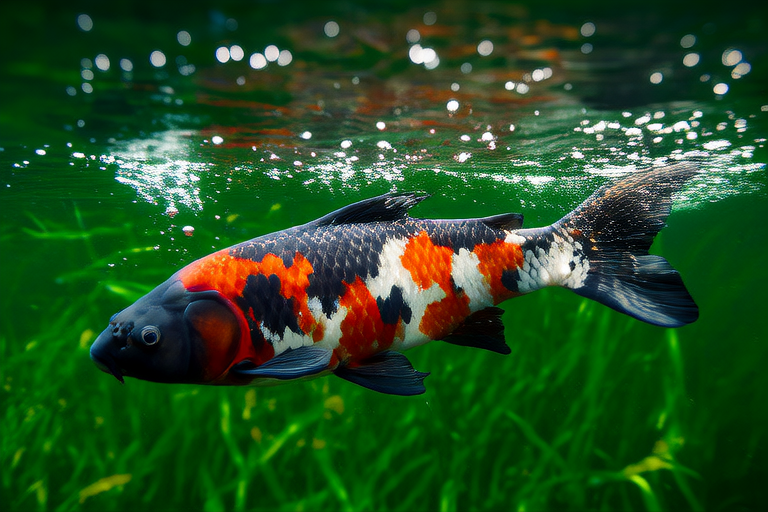
From Pond Companion to Aquatic Star: The Captivating World of Koi
Koi, or Nishikigoi, are ornamental fish that have captivated the hearts of aquarists and gardeners alike for centuries. These vibrant creatures, known for their striking colors and graceful movements, have a rich history deeply rooted in Japanese culture. Originally bred from common carp, koi have evolved into a variety of breeds, each with unique physical characteristics that make them highly sought after.
The Origins and Significance of Koi in Japanese Culture
The history of koi dates back to the Han Dynasty in China, where they were initially raised as a food source. However, it was in Japan during the 18th century that koi began to be selectively bred for their aesthetic qualities. The first recorded instance of this selective breeding took place in the town of Ojiya in Niigata Prefecture. Over time, koi became more than just a food source; they became symbols of good fortune, perseverance, and beauty.
In Japanese culture, koi hold significant symbolism. The carp, from which koi are derived, represents strength and determination due to its ability to swim upstream against strong currents. This resilience is often associated with the challenges faced in life, making koi a powerful symbol of overcoming adversity. Additionally, different colored koi carry specific meanings. For example, red koi symbolize love and passion, while white koi represent purity and innocence.
Diverse Varieties of Koi: Physical Characteristics and Value
One of the most fascinating aspects of koi is the wide range of varieties available. Each type has distinct physical features that contribute to its uniqueness and desirability. Some of the most popular varieties include Kohaku, Sanke, Showa, and Taisho Sanshoku. Each of these varieties is characterized by specific patterns and color combinations.
- Kohaku: This is one of the oldest and most popular varieties. It features a white base with red spots or patches. The contrast between the two colors creates a stunning visual effect.
- Sanke: Similar to Kohaku, but with the addition of black markings. The combination of white, red, and black makes Sanke particularly striking.
- Showa: Showa koi also feature the three colors but in a slightly different arrangement. They typically have a black base with red and white spots.
- Taisho Sanshoku: Known for their vibrant red and white patterns on a black background, Taisho Sanshoku are prized for their boldness and beauty.
The value of koi can vary greatly depending on several factors, including their age, size, coloration, and overall health. Larger koi tend to be more valuable, as do those with clear, well-defined patterns and vibrant colors. Additionally, koi that have won awards at prestigious shows can command higher prices due to their provenance and recognition within the community.
Care and Maintenance for Koi Ponds
Maintaining a healthy environment for your koi is essential for their well-being and longevity. Proper pond management involves several key components, including water quality, feeding, and regular health checks.
Water Quality
High-quality water is crucial for the health of your koi. Regular testing and maintenance of water parameters such as pH, ammonia, nitrite, and nitrate levels are necessary. A stable pH level between 7.2 and 8.5 is ideal, while ammonia and nitrite should be kept at zero. Nitrate levels should be maintained below 40 ppm. To achieve this, regular partial water changes and the use of biological filters are recommended.
Feeding
Proper nutrition is vital for the growth and health of your koi. High-quality koi food should be provided daily, ensuring a balanced diet rich in proteins, fats, and vitamins. During warmer months when the water temperature exceeds 60°F (15°C), koi can eat up to three times a day. In cooler temperatures, feeding should be reduced to once a day or even less frequently.
Common Health Issues
Like any pet, koi can face various health issues. Common problems include fin rot, fungal infections, and parasites. Early detection and treatment are key to preventing serious complications. Regular observation of your koi’s behavior and appearance can help identify potential issues early on. Consult with a veterinarian specializing in aquatic animals for proper diagnosis and treatment.
Famous Koi Shows and Competitive Nature of Koi Keeping
The world of koi keeping is not only about maintaining beautiful fish but also about showcasing them at various competitions. These events bring together enthusiasts from around the globe, offering a platform to celebrate the artistry and craftsmanship behind breeding exceptional koi.
One of the most renowned koi shows is the All Japan National Exhibition, held annually in Niigata Prefecture. This event attracts thousands of visitors and participants, all eager to see the latest in koi breeding. Competitors present their finest specimens, competing in categories based on variety, size, and overall presentation. Judges carefully evaluate each fish, looking for clarity in coloration, symmetry in pattern, and overall health.
The competitive nature of koi keeping extends beyond mere aesthetics. Breeders strive to improve upon existing varieties, creating new and exciting combinations of colors and patterns. This ongoing pursuit of perfection drives innovation within the hobby, ensuring that koi continue to evolve and captivate new generations of enthusiasts.
The Emotional Bond Between Humans and Koi
Beyond their physical beauty and cultural significance, koi have a unique ability to form deep emotional bonds with their caretakers. Many owners describe their koi as more than just pets; they are serene companions that bring peace and tranquility to their gardens and ponds.
The gentle presence of koi in a backyard pond can create a sense of calm and relaxation. Observing their graceful movements and vibrant colors can be a soothing experience, providing a momentary escape from the stresses of everyday life. This emotional connection is one of the reasons why koi have become so popular among gardeners and aquarists worldwide.
As we conclude our exploration of the captivating world of koi, it is clear that these magnificent creatures offer much more than just visual appeal. From their rich cultural heritage to their role as serene companions, koi continue to inspire and delight people across the globe. Whether you are a seasoned enthusiast or a newcomer to the hobby, there is always something new to learn and appreciate about these enchanting aquatic stars.
