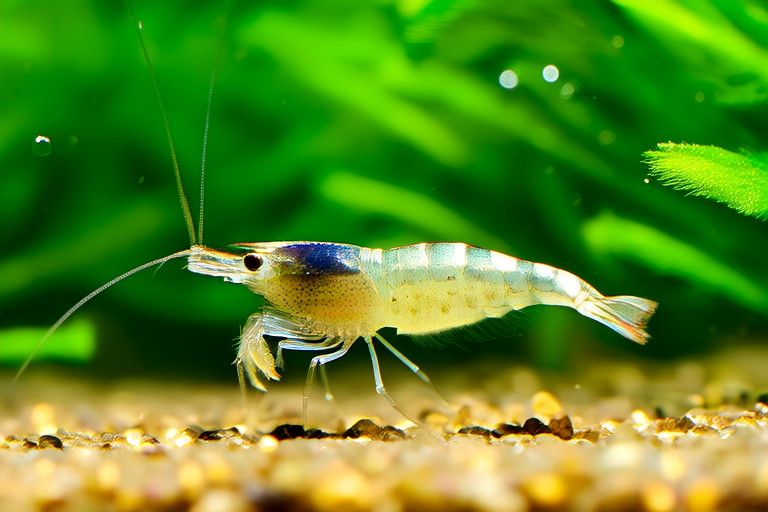
Top Secrets to Keeping Your Coral Shrimp Happy and Healthy
Welcome to the fascinating world of coral shrimp care! These tiny crustaceans bring vibrant colors and dynamic movement to any aquarium. To ensure your coral shrimp thrive, it’s crucial to provide them with the best possible living conditions. This comprehensive guide will cover essential aspects of coral shrimp care, including tank setup, water parameters, diet, tank mate compatibility, regular maintenance, signs of illness, and enrichment activities.
Optimal Tank Setup
Creating the perfect habitat for your coral shrimp involves selecting the right tank size, substrate, and decorations. A minimum tank size of 20 gallons (76 liters) is recommended to accommodate their swimming space and offer a variety of hiding spots. Ensure there are plenty of live rocks, caves, and plants to provide shelter and security. Live sand or fine-grained substrate is ideal for mimicking their natural environment.
Water Parameters
Maintaining stable water conditions is paramount for coral shrimp health. Optimal temperature ranges from 72°F to 82°F (22°C to 28°C), while pH levels should be between 8.0 and 8.4. Ammonia and nitrite levels should always read zero, and nitrate levels should remain below 20 ppm. Regular water changes (about 10-20% weekly) help maintain these parameters. Utilizing a protein skimmer and chemical filtration can further enhance water quality.
Diet
Coral shrimp are omnivorous scavengers that feed on algae, detritus, and small organisms. In the wild, they consume diatoms, cyanobacteria, and other microorganisms found on coral reefs. In captivity, supplement their diet with high-quality commercial foods such as flakes, pellets, and frozen or freeze-dried foods. Additionally, introducing blanched vegetables like spinach and zucchini can provide necessary nutrients. Feeding once or twice daily in small portions prevents overfeeding and keeps the tank clean.
Tank Mates Compatibility
Selecting compatible tank mates is crucial to avoid stress and aggression towards coral shrimp. Peaceful species like clownfish, gobies, and blennies make excellent companions. Avoid aggressive or predatory fish such as tangs, triggerfish, and large angelfish. It’s also important to monitor the behavior of shrimp towards each other, especially if you have multiple species or individuals. Overcrowding can lead to increased aggression and competition for resources.
Regular Maintenance
Consistent maintenance ensures a healthy environment for your coral shrimp. Perform weekly water changes of 10-20%, check water parameters regularly, and clean equipment such as filters and heaters. Inspect the tank for signs of algae growth, which can be controlled through proper lighting schedules and manual removal. Vacuuming the substrate helps prevent the accumulation of uneaten food and waste products.
Signs of Illness
Recognizing early signs of illness is vital for prompt treatment. Common symptoms include lethargy, loss of appetite, discolored exoskeleton, and abnormal swimming patterns. If you notice any of these signs, quarantine the affected shrimp immediately and consult a veterinarian specializing in aquatic animals. Treatment options may include antibiotics, antifungal medications, or environmental adjustments.
Enrichment Activities
Incorporating enrichment activities into your shrimp’s routine promotes mental stimulation and physical activity. Provide hiding spots, caves, and tunnels for exploration. Introduce floating objects like leaves or branches for climbing and jumping exercises. Rotate decorations periodically to keep the environment fresh and exciting. Encourage natural behaviors by offering food in various locations throughout the tank.
Scientific Insights
Research indicates that stressors such as poor water quality, overcrowding, and inappropriate tank mates can weaken the immune system of coral shrimp. Maintaining optimal environmental conditions supports their overall health and resilience against diseases. Additionally, studies suggest that enriched environments with varied stimuli improve cognitive function and reduce anxiety-related behaviors.
Conclusion
By following these guidelines, you’ll create an ideal home for your coral shrimp, ensuring their happiness and longevity. Remember that each shrimp has unique needs, so observe their behavior closely and adjust care practices accordingly. With dedication and attention to detail, your coral shrimp will flourish in your aquarium, bringing joy and beauty to your aquatic ecosystem.
