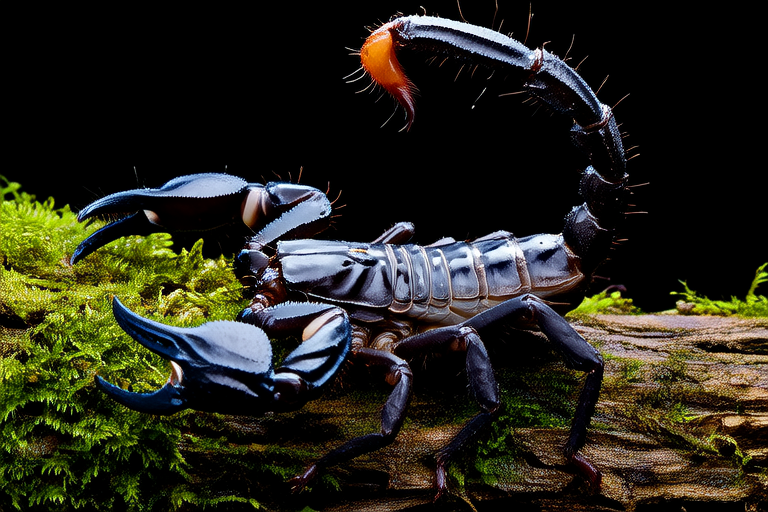
Urban Encounters: Living With the Spiky Marvel, Heterometrus Spinifer
Welcome to the world of Heterometrus Spinifer, often referred to as the spiky marvel. This unique species of scorpion, native to Southeast Asia, has captivated the hearts of many urban dwellers who are looking for a low-maintenance yet fascinating pet. In this article, we will delve into the intricacies of caring for these creatures, setting up their habitats, understanding their behaviors, and addressing common myths and facts surrounding them.
The Fascinating World of Heterometrus Spinifer
Heterometrus Spinifer, with its distinct spiny legs and robust body, is a sight to behold. These scorpions are primarily found in tropical rainforests and grasslands, thriving in humid environments. Their natural habitat provides essential clues for setting up a suitable environment in your home. The key elements include temperature, humidity, and substrate, all of which need to mimic their native surroundings.
Setting Up the Perfect Habitat
Creating a comfortable and safe environment for your Heterometrus Spinifer is crucial. Start by selecting an appropriately sized enclosure. A 10-gallon tank is ideal for a single adult, ensuring they have enough space to move around comfortably. The substrate should be at least three inches deep, composed of coconut fiber or bark chips, to retain moisture and provide a natural feel.
Temperature control is vital. Maintain the enclosure between 78°F to 86°F (25°C to 30°C) during the day, with a slight drop at night. Humidity levels should range from 70% to 90%, achieved through regular misting and the use of a water dish. Ensure the enclosure has proper ventilation to prevent mold growth while maintaining the necessary humidity.
In terms of decor, provide hiding spots such as cork bark, half logs, and caves. These not only enrich the environment but also help reduce stress for your pet. Additionally, ensure there are no sharp edges that could harm your scorpion.
Care and Feeding
Feeding Heterometrus Spinifer is relatively straightforward. They are carnivorous and thrive on a diet of live insects such as crickets, mealworms, and waxworms. Feed juveniles every other day, while adults can be fed once a week. Always offer prey items that are no larger than the width of the scorpion’s body to avoid choking hazards.
Water is essential for hydration. Provide a shallow water dish that is easily accessible but not too deep to prevent drowning. Regularly check and clean the water dish to maintain hygiene.
Unique Behaviors and Interactions
Heterometrus Spinifer exhibits intriguing behaviors that make them fascinating companions. One of the most notable traits is their ability to glow under ultraviolet light, a phenomenon known as fluorescence. This characteristic is not only visually stunning but also aids in their nighttime hunting.
These scorpions are generally docile and prefer to retreat rather than confront. However, they possess potent venom, which is used primarily for hunting and self-defense. While their sting is painful, it is rarely dangerous to humans, making them a safer option for those new to scorpion ownership.
Myths and Facts
One common myth about Heterometrus Spinifer is that they are aggressive and highly venomous. This misconception arises due to their intimidating appearance and the fear associated with scorpions. In reality, they are relatively calm and pose little threat to humans unless provoked. Another myth is that they require extensive handling. Scorpions are solitary creatures and do not enjoy being handled frequently. Frequent interactions can lead to stress and health issues.
A lesser-known fact is that Heterometrus Spinifer plays a crucial role in their ecosystem by controlling insect populations. By feeding on pests, they contribute to maintaining ecological balance. Additionally, their fluorescent properties are not just aesthetically pleasing but also serve as a defense mechanism against predators.
Tips for Urban Dwellers
If you’re considering bringing a Heterometrus Spinifer into your urban home, there are several important factors to consider. First and foremost, check local regulations regarding exotic pets. Some cities and states have strict laws about owning certain species, so it’s crucial to comply with these rules to avoid legal trouble.
Another aspect to consider is the commitment required. Owning a Heterometrus Spinifer is a long-term responsibility. They can live up to 8 years in captivity, requiring consistent care and attention. It’s important to educate yourself thoroughly before making the decision to own one.
Safety is paramount when handling these scorpions. Always wear protective gloves and handle them gently. Keep children and pets away from the enclosure to prevent accidents. If stung, seek medical advice immediately, though the venom is typically not life-threatening.
Personal Anecdotes
One of my most memorable encounters with Heterometrus Spinifer was during a routine maintenance session. I noticed my scorpion had shed its exoskeleton, revealing a soft, pale version of itself. It was a surreal moment to witness the transformation process, highlighting the resilience and adaptability of these creatures.
Another time, I observed my scorpion’s hunting behavior under UV light. Watching it glow as it stalked its prey was both mesmerizing and educational. Moments like these remind me why I chose to keep Heterometrus Spinifer as a pet. They are more than just pets; they are fascinating creatures that offer endless opportunities for learning and appreciation.
Conclusion
Living with Heterometrus Spinifer can be an enriching experience for those who appreciate the beauty and complexity of nature. By providing a suitable habitat, understanding their unique behaviors, and adhering to responsible ownership practices, you can enjoy a rewarding relationship with these spiky marvels. Whether you’re a beginner or an experienced enthusiast, Heterometrus Spinifer offers a glimpse into the wonders of the animal kingdom right in your urban home.
