5 Surprising Facts About Hermit Crabs That Will Make You Rethink Your Aquarium Setup
Hermit crabs are fascinating creatures that have captured the hearts of many aquarists. These small crustaceans are known for their unique habit of carrying around empty snail shells as protective homes. While they may seem like simple additions to your aquarium, there’s more to these little guys than meets the eye. Let’s dive into five surprising facts about hermit crabs that will make you reconsider your aquarium setup.
Fact 1: Hermit Crabs Are Not True Crabs
Contrary to their name, hermit crabs are not true crabs but rather members of the superfamily Paguroidea. They belong to the infraorder Anomura, which includes other crab-like species such as porcelain crabs and squat lobsters. This distinction is important because hermit crabs have different biological needs compared to their true crab cousins. For instance, they require a larger tank size to accommodate their roaming behavior and frequent shell changes.
Tank Size: A minimum of 10 gallons per hermit crab is recommended. However, larger tanks are preferable to allow ample space for exploration and reduce stress. Ensure that the tank is tall enough to provide vertical climbing opportunities.
Fact 2: Hermit Crabs Change Shells
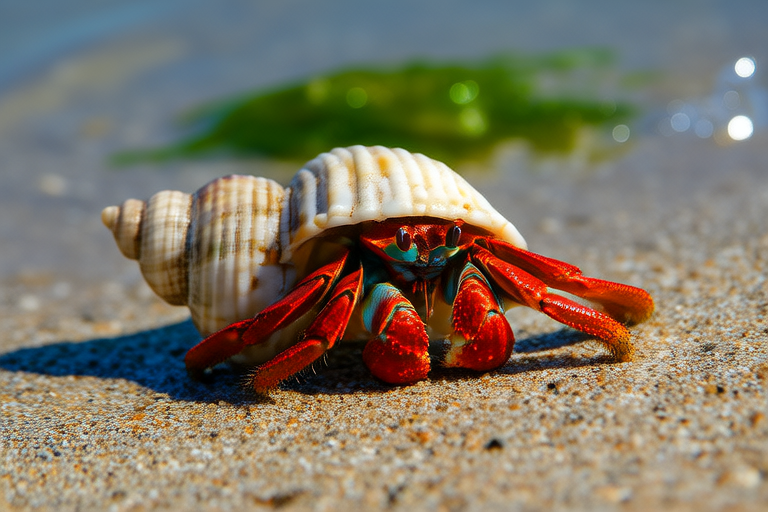
One of the most intriguing aspects of hermit crab biology is their habit of changing shells. As hermit crabs grow, they outgrow their current shell and seek a new one that provides better protection. This process can be stressful if the right shells are not available in the aquarium. Providing a variety of shells is crucial for maintaining a healthy and happy hermit crab population.
Substrate: Use a soft, sandy substrate to facilitate easy burrowing and searching for food. Adding a selection of shells of various sizes and shapes will encourage natural behaviors and reduce stress. Ensure that all shells are clean and free from harmful chemicals or parasites.
Fact 3: Hermit Crabs Breathe Through Gills
Despite living in the water, hermit crabs breathe through gills. These gills must remain moist to function correctly, meaning hermit crabs are highly sensitive to water quality and oxygen levels. Poor water conditions can lead to respiratory distress and death. Maintaining optimal water parameters is essential for their survival.
Water Conditions: Keep the water temperature between 72°F and 82°F (22°C to 28°C) and maintain a pH level of 8.1 to 8.4. Regular water changes and efficient filtration systems are necessary to ensure high oxygen levels and low ammonia and nitrite concentrations.
Fact 4: Hermit Crabs Are Social Creatures
While hermit crabs are often thought of as solitary animals, they are actually social creatures that thrive in groups. In the wild, hermit crabs live in large colonies where they interact, mate, and even share resources. This social nature means that keeping hermit crabs alone can lead to loneliness and stress, potentially affecting their health.
Tank Mates: Consider adding compatible tank mates like small fish, shrimp, or other hermit crabs. Choose peaceful species that won’t bully or compete with hermit crabs for resources. Avoid aggressive or territorial fish that might harm the hermit crabs.
Fact 5: Hermit Crabs Are Omnivores
Hermit crabs are omnivorous, meaning they eat both plant and animal matter. Their diet consists of algae, detritus, and small aquatic organisms. Providing a balanced diet is essential for their growth and well-being. Feeding them appropriately can also help prevent overpopulation of algae in the aquarium.
Feeding: Offer a variety of foods including blanched vegetables, sinking pellets, and occasional treats like bloodworms or brine shrimp. Ensure that uneaten food is removed promptly to maintain water quality. Monitor their feeding habits and adjust the quantity accordingly.
Conclusion: Creating a Healthy and Enriching Environment
Providing a healthy and enriching environment for hermit crabs requires attention to detail and careful planning. By understanding their unique characteristics and needs, you can create an ideal habitat that supports their physical and psychological well-being. Remember to regularly check water parameters, monitor the availability of suitable shells, and ensure that the tank is spacious enough to accommodate their active lifestyle. With proper care, your hermit crabs will thrive in their new home, bringing joy and fascination to your aquarium.
