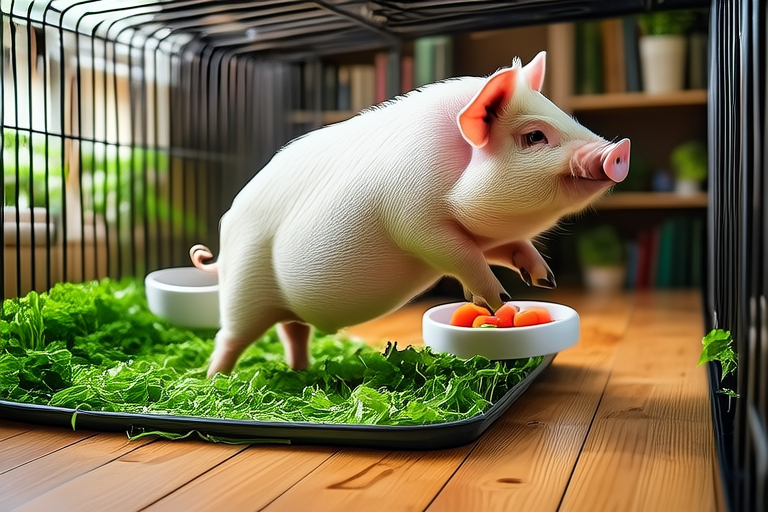
The Ultimate Guide to Choosing the Right Cage for Your Lively Guinea Pig
Guinea pigs are delightful creatures that bring joy and companionship to many households. However, ensuring they live a happy, healthy life requires careful consideration of their living environment. This comprehensive guide will help you choose the right cage for your lively guinea pig, covering essential aspects such as ideal cage size, material suitability, ventilation, necessary features, exercise space, ease of cleaning, budget considerations, and tips for creating an enriching environment.
Ideal Cage Size Based on Number of Guinea Pigs
Choosing the right cage size is crucial for the well-being of your guinea pigs. A spacious cage allows them to move around freely, reducing stress and promoting physical health. As a general rule, each guinea pig should have at least 7.5 square feet (0.7 square meters) of floor space. For two guinea pigs, aim for a minimum of 10 square feet (0.93 square meters), and for three or more, increase the size accordingly.
It’s important to note that larger cages provide ample room for social interaction and exercise, which are vital for guinea pigs. Overcrowding can lead to stress, fighting, and other behavioral issues. Always prioritize providing enough space for your guinea pigs to thrive.
Material Suitability for Safety and Comfort
The material used in constructing the cage plays a significant role in ensuring your guinea pigs’ safety and comfort. Opt for cages made from sturdy materials that are safe for your pets. Avoid wire-bottomed cages, as these can cause foot injuries. Instead, choose cages with solid flooring, such as plastic or metal grids covered with soft bedding.
Wire sides are acceptable but should be covered with a solid material at the bottom to prevent your guinea pigs from escaping or getting injured. Additionally, ensure that any material used in the cage is non-toxic and free from harmful chemicals. Regularly inspect the cage for signs of wear and tear, replacing any damaged parts promptly to maintain a safe environment for your pets.
Importance of Adequate Ventilation
Adequate ventilation is essential for maintaining good air quality within the cage. Poor ventilation can lead to respiratory problems and other health issues. Ensure the cage has several small ventilation holes or a mesh top that allows fresh air to circulate while preventing drafts.
Position the cage away from direct sunlight and heat sources to avoid overheating. Guinea pigs are sensitive to temperature changes, so maintaining a stable, cool environment is crucial. Proper ventilation also helps control odors and reduces the risk of ammonia buildup, which can irritate your guinea pigs’ respiratory systems.
Necessary Features Like Hideouts and Resting Areas
Your guinea pigs need a comfortable place to rest and feel secure. Providing hideouts or shelters within the cage encourages natural behaviors and reduces stress. These hideouts can be simple cardboard boxes or commercially available tunnels and igloos designed specifically for small animals.
Additionally, include resting areas where your guinea pigs can sleep comfortably. Soft bedding, such as hay or shredded paper, should line these areas to provide cushioning and warmth. Ensure that these areas are easily accessible and offer privacy for your pets. Regularly clean and replace bedding to maintain hygiene and prevent the growth of bacteria.
Space for Exercise and Play
Exercise is vital for maintaining your guinea pigs’ physical and mental health. In addition to providing a spacious cage, allocate time for supervised out-of-cage play sessions. Guinea pigs enjoy exploring new environments and interacting with their owners.
Within the cage, include ramps, tunnels, and toys to stimulate physical activity. These items encourage climbing, running, and playing, which are essential for keeping your guinea pigs active and entertained. Rotate toys periodically to keep the environment interesting and engaging. Remember, a mentally stimulated guinea pig is a happier and healthier one.
Ease of Cleaning
Cleaning the cage regularly is essential for maintaining a hygienic environment and preventing health issues. Choose a cage design that facilitates easy cleaning. Removable trays or floors make it simpler to clean and disinfect the cage thoroughly.
Use pet-safe disinfectants and rinse thoroughly after each cleaning session. Allow the cage to dry completely before returning your guinea pigs to their home. Regular cleaning schedules help maintain a clean and healthy living space for your pets.
Budget Considerations
Purchasing a suitable cage for your guinea pigs can be expensive, especially if you opt for high-quality materials and features. However, investing in a well-designed cage is worthwhile for the long-term health and happiness of your pets.
Consider your budget carefully and prioritize essential features such as size, ventilation, and safety. Look for second-hand options or discounted items from reputable sellers to save money without compromising on quality. Always ensure that any second-hand cage is in good condition and free from damage before purchasing.
Tips for Making the Cage Environment Enriching and Stimulating
To create an enriching environment for your guinea pigs, incorporate various elements that encourage exploration and interaction. Provide hay racks, food puzzles, and chew toys to promote natural behaviors and mental stimulation. Rotate these items periodically to keep the environment interesting and engaging.
Incorporate elements that mimic their natural habitat, such as tunnels and hiding spots, to create a stimulating and enriching environment. Regularly observe your guinea pigs’ behavior and adjust the cage setup accordingly to meet their changing needs and preferences. A well-designed cage that provides ample space, comfort, and stimulation will contribute significantly to your pets’ overall well-being.
Common Mistakes to Avoid When Selecting a Cage
When choosing a cage for your guinea pigs, it’s important to avoid certain mistakes that could compromise their health and happiness. One common mistake is selecting a cage that is too small, leading to overcrowding and stress. Another is opting for a cage with inadequate ventilation, which can result in respiratory problems.
Additionally, avoid cages with wire bottoms or sides that can cause injury. Ensure that any toys or accessories added to the cage are safe and appropriate for your guinea pigs. Regularly inspect the cage for signs of wear and tear, replacing any damaged parts promptly to maintain a safe environment for your pets.
Ensuring the Cage Meets Long-Term Needs
To ensure that the cage meets your guinea pigs’ long-term needs, consider factors such as durability, ease of cleaning, and adaptability. Invest in a cage made from high-quality materials that can withstand regular use and cleaning. Choose a design that allows for easy modification and expansion as your guinea pigs grow or additional pets join the family.
Regularly assess the cage’s condition and make necessary adjustments to accommodate your pets’ changing needs. By prioritizing durability and adaptability, you can ensure that the cage remains a safe and comfortable home for your guinea pigs throughout their lives.
In conclusion, selecting the right cage for your guinea pigs is a crucial step in ensuring their health and happiness. By considering the ideal cage size, material suitability, ventilation, necessary features, exercise space, ease of cleaning, budget considerations, and tips for creating an enriching environment, you can provide your pets with a safe, comfortable, and stimulating living space. Avoid common mistakes and prioritize long-term needs to ensure that your guinea pigs thrive in their new home.
