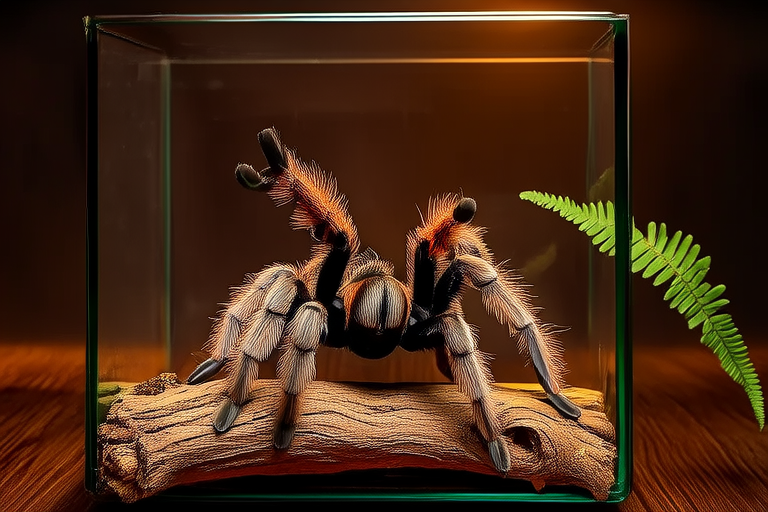
Tarantula Care Made Easy: Tips for New and Experienced Owners
Welcome to the fascinating world of tarantulas! These captivating arachnids have been enchanting pet enthusiasts for years. Whether you’re a novice or an experienced owner, this guide will provide you with the knowledge and tools necessary to ensure your tarantula thrives in its new home. From habitat setup to handling techniques, we’ll cover all aspects of tarantula care to help you become a responsible and knowledgeable owner.
Understanding Tarantulas
Tarantulas belong to the family Theraphosidae, a group known for their large size, hairy bodies, and impressive fangs. They are found in diverse environments across the globe, from deserts to rainforests. Each species has unique requirements, so it’s crucial to research your specific tarantula’s needs before bringing one home.
Habitat Setup
Creating a suitable environment is vital for your tarantula’s well-being. The enclosure should mimic the natural habitat of the species as closely as possible. Here are some guidelines:
- Size: A general rule is to provide at least five times the leg span of the tarantula in length and three times in width. For example, a four-inch tarantula would need a tank that is at least 20 inches long and 12 inches wide.
- Substrate: Use coconut fiber, peat moss, or a mix of soil and vermiculite. Ensure the substrate is deep enough for burrowing (about 3-4 inches).
- Hiding Spots: Provide secure hiding places such as cork bark, half logs, or plastic plants. Tarantulas need these for security and molting.
- Decor: Add climbing structures like branches or rocks. This helps stimulate natural behaviors and provides exercise.
Temperature and Humidity Requirements
Maintaining optimal temperature and humidity levels is critical for your tarantula’s health:
- Temperature: Most tarantulas thrive between 75°F and 85°F (24°C – 29°C). Use a digital thermometer to monitor temperatures accurately. Some species require cooler conditions, while others prefer higher temps. Research your tarantula’s specific needs.
- Humidity: Humidity should range from 60% to 80%. You can achieve this by misting the enclosure or using a water dish. Always ensure proper ventilation to prevent mold growth.
Feeding Habits
Tarantulas are carnivorous and require a varied diet:
- Prey: Feed them appropriately sized insects like crickets, mealworms, and dubia roaches. Avoid feeding wild-caught insects as they may carry parasites.
- Frequency: Feed juveniles every 5-7 days, adults once a week. Adjust based on the tarantula’s activity level and body condition.
- Dust: Occasionally dust prey with calcium and vitamin supplements to ensure a balanced diet.
Handling Techniques
While tarantulas are generally docile, improper handling can cause stress or injury:
- Gentle Approach: Always handle your tarantula with care. Use a soft, flat tool like a foam paintbrush or a tarantula hook. Never grab or squeeze.
- Ground Support: Place a soft surface like a towel or blanket under the tarantula when handling. This prevents falls and provides support.
- Limit Handling: Handle your tarantula sparingly. Excessive handling can cause stress and disrupt their natural behaviors.
Health Concerns
Regular monitoring ensures early detection of potential issues:
- Molting: Molting is a natural process where the tarantula sheds its exoskeleton. During this time, avoid disturbing the tarantula. Provide a humid environment and remove uneaten prey.
- Respiratory Issues: Signs include labored breathing or reluctance to eat. Consult a veterinarian if you suspect respiratory problems.
- Leg Loss: While regrowth is possible, prompt veterinary care is recommended.
Common Myths
Separate fact from fiction to provide the best care for your tarantula:
- Myth: All tarantulas are aggressive: Most tarantulas are docile and only bite when threatened. Proper handling minimizes the risk.
- Myth: Tarantulas require constant attention: Tarantulas are low-maintenance pets that require minimal interaction. They are solitary creatures that prefer solitude.
- Myth: Tarantulas don’t need a water dish: Providing a shallow water dish allows tarantulas to drink and maintain hydration.
Caring for Different Species
Each tarantula species has unique requirements:
- Desert Species: Require drier conditions and lower humidity. Examples include Mexican Red-Knee and Chilean Rose.
- Rainforest Species: Need higher humidity and warmer temperatures. Examples include Pink-Toed and Grammostola.
Conclusion
By understanding and meeting the specific needs of your tarantula, you can ensure a healthy and happy pet. Remember, tarantulas are not just fascinating creatures but also a significant responsibility. With the right care and attention, you can enjoy the companionship of these amazing arachnids for many years to come.
