From Bunnies to Buddies: Life with a Lop Rabbit
Welcome to the enchanting world of lop rabbits! These charming creatures, known for their floppy ears, have captured the hearts of many as loving and gentle companions. This guide will walk you through the joys of owning a lop rabbit, from selecting the perfect pet to ensuring their well-being and happiness.
Selecting Your Lop Rabbit
The journey of becoming a lop rabbit owner begins with finding the right companion. When choosing a lop rabbit, it’s essential to consider factors such as breed type, age, and temperament. Lop rabbits come in various sizes and colors, including English Lops, French Lops, and Holland Lops. Each breed has its unique characteristics, so research thoroughly to find the one that best suits your lifestyle.
Age is another critical factor to consider. Younger rabbits may require more time and effort to train but offer the potential for a strong bond. On the other hand, adult rabbits might already be litter-trained and have established personalities. Regardless of age, always adopt from reputable breeders or rescue organizations to ensure the health and well-being of your new friend.
Unique Physical Characteristics
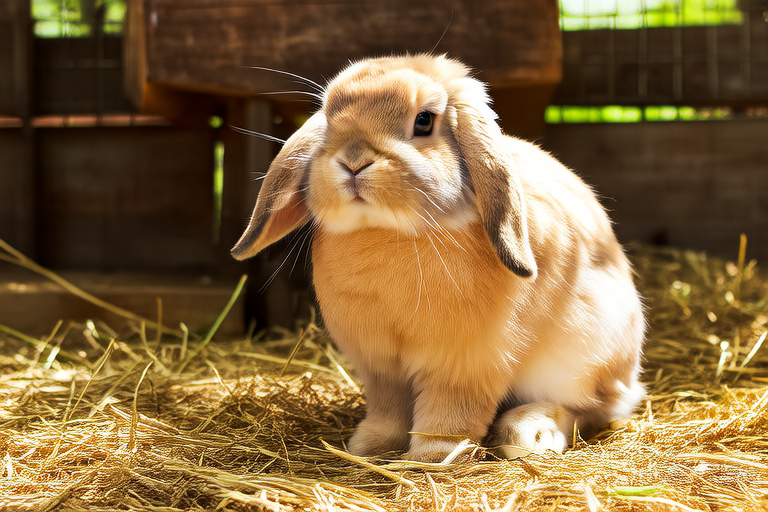
Lop rabbits are easily recognizable by their distinctive drooping ears, which can measure up to 20 inches long in some breeds. Their ears not only add to their adorable appearance but also help them regulate body temperature. Other notable features include their soft, dense fur, which can range from short to medium length depending on the breed.
One of the most endearing aspects of lop rabbits is their expressive faces. They have large, round eyes that seem to convey curiosity and intelligence. Their compact bodies are built for agility, allowing them to hop and leap with surprising speed. Despite their small size, lop rabbits are sturdy and robust, making them excellent pets for families.
Personality Traits
Known for their gentle and affectionate nature, lop rabbits make wonderful companions. They are generally calm and easygoing, enjoying quiet moments as much as playful interactions. However, each rabbit has its unique personality, so take the time to get to know your new pet and understand what makes them happy.
Many lop rabbits enjoy being petted and handled, especially when they feel comfortable in their surroundings. They can become quite attached to their owners, seeking out attention and affection. Providing toys and activities that stimulate their minds and bodies can help keep them engaged and content.
Care Requirements
Proper care is crucial for ensuring the health and happiness of your lop rabbit. A spacious, secure living area is essential, providing ample room for exercise and play. The enclosure should be cleaned regularly to maintain hygiene and prevent the buildup of bacteria. Litter training can be achieved by placing a litter box in a corner of the cage and rewarding positive behavior.
Regular veterinary check-ups are necessary to monitor your rabbit’s health and address any potential issues early. Lop rabbits are prone to certain health problems, including dental issues, respiratory infections, and digestive disorders. A balanced diet rich in hay, fresh vegetables, and limited amounts of pellets can help support their overall well-being.
Diet Specifics
Feeding your lop rabbit a nutritious diet is vital for their health and longevity. The cornerstone of their diet should be unlimited access to high-quality grass hay, such as timothy or orchard grass. Hay provides essential fiber that aids digestion and supports dental health. Fresh vegetables, particularly leafy greens like romaine lettuce, spinach, and kale, should be offered daily in moderate quantities.
Commercial rabbit pellets can be given in small amounts, but avoid overfeeding as they are calorie-dense. Treats should be limited to occasional offerings, with fruits and vegetables being the preferred options. Always introduce new foods gradually to allow your rabbit’s digestive system to adjust.
Grooming Needs
Lop rabbits have a dense coat that requires regular grooming to prevent matting and tangles. Brushing your rabbit’s fur several times a week helps remove loose hair and distribute natural oils. During shedding seasons, more frequent brushing may be necessary to prevent hairballs.
Bathing is rarely required unless your rabbit gets excessively dirty. Instead, focus on cleaning areas like the face and paws with a damp cloth. Pay special attention to their ears, checking for signs of infection or mites. Trimming nails every few weeks can also help prevent discomfort and injury.
Creating a Safe and Enriching Environment
Providing a safe and stimulating environment is key to your lop rabbit’s happiness. In addition to a spacious living area, offer opportunities for exercise and exploration outside the cage. Supervised playtime in a bunny-proofed room allows your rabbit to stretch their legs and investigate their surroundings.
Toys and activities can help keep your rabbit mentally stimulated. Chew toys, tunnels, and treat-dispensing puzzles are excellent choices. Rotate toys periodically to maintain interest and prevent boredom. Additionally, provide hiding spots and elevated platforms to satisfy their natural instincts.
Bonding and Training Tips
Building a strong bond with your lop rabbit takes time and patience. Spend quality time together each day, offering gentle handling and positive reinforcement. Use treats and praise to encourage desired behaviors, such as coming when called or sitting calmly on your lap.
Training can enhance communication and strengthen the connection between you and your rabbit. Simple commands like ‘come’ or ‘stay’ can be taught using consistent cues and rewards. Patience and consistency are key, as rabbits learn at their own pace.
Integrating a Lop Rabbit into a Family Setting
Welcoming a lop rabbit into your family requires careful consideration to ensure a harmonious and joyful companionship. Introduce your new pet gradually to other household members, allowing them time to adjust. Children should be taught how to handle and interact with the rabbit gently and respectfully.
Create a routine that includes regular feeding, playtime, and grooming sessions. This predictability helps your rabbit feel secure and establishes clear expectations for both pet and owner. By fostering a nurturing and loving environment, you’ll create lasting memories and a cherished bond with your lop rabbit.
In conclusion, life with a lop rabbit offers endless joy and companionship. From their unique physical characteristics and delightful personalities to their specific care needs, these rabbits bring warmth and happiness to their human families. With proper attention, love, and care, you’ll experience the true meaning of ‘bunnies to buddies.’
