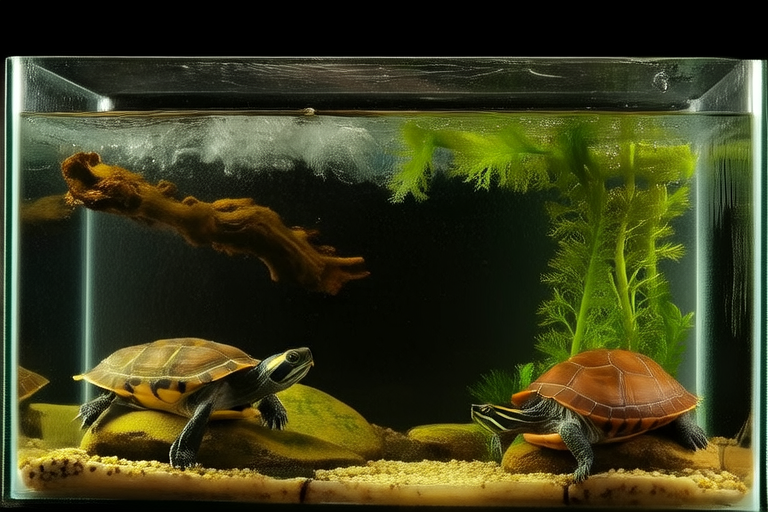
DIY Aquascape Guide for Red-Eared Sliders
Welcome to your comprehensive DIY aquascape guide for red-eared sliders. This guide will provide you with everything you need to create a safe, healthy, and aesthetically pleasing aquatic environment for your beloved pet. We’ll cover tank size recommendations, essential equipment, step-by-step setup instructions, plant selection, substrate choices, decoration ideas, and maintenance tips.
Optimal Tank Size Recommendations
Red-eared sliders require ample space to thrive. A minimum tank size of 75 gallons is recommended for one adult slider, but larger tanks offer more swimming room and better water quality. For multiple turtles, add 10 gallons per additional turtle. Ensure the tank has at least 3 square feet of surface area for basking.
Essential Equipment List
- Water filtration system
- Submersible heater
- Basking platform
- UVB light
- Thermometer
- Pump for water circulation
- Hydrometer
- Air stone
Step-by-Step Instructions for Setting Up the Habitat
- Choose the Right Location: Place the tank away from direct sunlight, drafts, and vibrations to prevent temperature fluctuations and stress.
- Install the Filtration System: Position the filter at one end of the tank, ensuring it’s submerged and connected to a power source.
- Add the Substrate: Use sand or gravel as substrate. Avoid sharp or large stones that can harm your turtle.
- Set Up the Heater: Place the heater near the filter outlet, ensuring it’s securely attached and adjusted to maintain a constant water temperature between 78-82°F (25-28°C).
- Install Lighting: Mount the UVB light over the basking area, ensuring it provides sufficient UVA and UVB rays for proper shell development and overall health.
- Decorate the Tank: Add plants, rocks, and driftwood to create hiding spots and enhance the aesthetic appeal of the habitat.
- Introduce the Turtles: Carefully place your turtles in their new home, allowing them time to acclimate.
Plant Selection Suitable for Aquatic Environments
Select hardy, low-maintenance plants that can withstand turtle activity. Some excellent options include:
- Java fern (Microsorum pteropus)
- Anubias nana
- Vallisneria spiralis
- Amazon sword (Echinodorus amazonicus)
- Corkscrew val (Vallisneria americana ‘corkscrew’)
Substrate Choices
Choose a substrate that promotes water cleanliness and provides a natural-looking bottom. Optimal choices include:
- Sand
- Gravel
- Specialized aquarium substrates
Decoration Ideas That Enhance Both Aesthetics and Functionality
Enhance the tank’s appearance while providing functional elements such as:
- Rocks and driftwood for climbing and hiding
- Plants for shelter and oxygen production
- Artificial caves and tunnels for exploration
- Decorative stones and shells for visual interest
Tips on Maintaining Water Quality and Creating a Healthy Environment
Maintain high water quality by regularly cleaning the tank, monitoring water parameters, and performing partial water changes. Test for pH, ammonia, nitrite, and nitrate levels weekly, adjusting as needed. Clean filters and decorations monthly, and replace substrate annually.
Safety Considerations
Ensure all equipment is properly secured and functioning correctly. Avoid sharp edges or small parts that could pose choking hazards. Provide adequate ventilation and avoid overcrowding the tank. Monitor your turtles’ behavior and health regularly.
The Importance of Mimicking Natural Habitats
Mimicking natural habitats is crucial for the well-being of red-eared sliders. A well-designed aquascape provides mental stimulation, encourages natural behaviors, and supports physical health. Regularly observe your turtles’ activities and adjust the habitat as necessary to promote a balanced lifestyle.
Conclusion
Creating an ideal aquascape for red-eared sliders requires careful planning and attention to detail. By following this guide, you can build a thriving environment that meets the needs of your pets while enhancing the beauty of your home. Remember to prioritize their safety, comfort, and health at every stage of the setup process.
