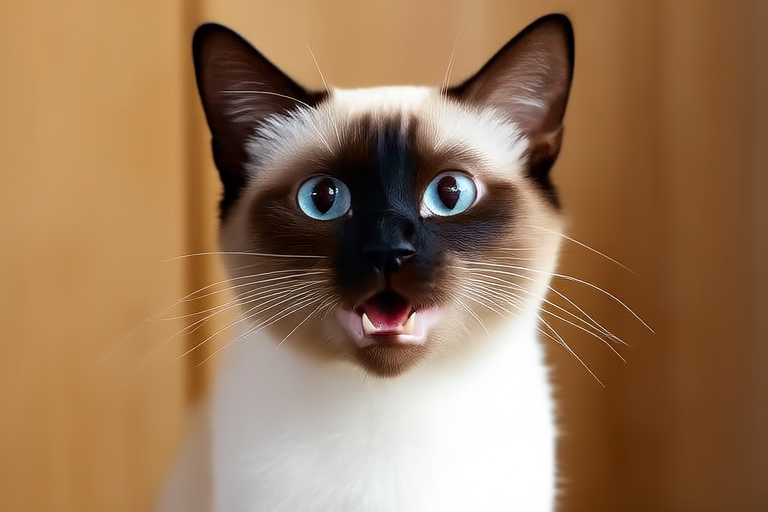
Siamese Cats: The Vocalists of the Feline World
Welcome to the fascinating world of Siamese cats! Known for their striking blue almond-shaped eyes, sleek bodies, and point coloration, these felines have captured the hearts of many pet lovers around the globe. Originating from Thailand, where they were once revered by royalty, Siamese cats have a rich history that dates back centuries. Their name comes from the ancient kingdom of Siam, now known as Thailand, and they were considered sacred animals. Today, Siamese cats are one of the most popular breeds worldwide, cherished for their unique appearance and distinct personalities.
A Brief Overview of Physical Characteristics
Siamese cats are medium-sized with long, slender bodies and muscular builds. They possess short, fine coats that come in four main colors: seal point, chocolate point, blue point, and lilac point. These points, which include the ears, paws, tail, and face, contrast beautifully against their lighter-colored bodies. Their elegant appearance is complemented by their expressive blue eyes, which give them an almost human-like gaze. This combination makes Siamese cats stand out in any setting.
The Intelligent and Sociable Nature of Siamese Cats
Beyond their physical appeal, Siamese cats are renowned for their intelligence and sociability. They are highly interactive and often seek out human companionship. This deep-seated need for attention can lead to frequent vocalizations, making them one of the chattiest cat breeds. Their ability to communicate effectively with their owners is a testament to their cognitive abilities and emotional depth. Siamese cats are not just talkative; they are also very observant and can sense changes in their environment or their owner’s mood.
The Reason Behind Frequent Meowing
Siamese cats are known for their persistent meowing, a behavior that sets them apart from many other breeds. This tendency can be attributed to several factors:
- Intelligence: Siamese cats are highly intelligent and curious creatures. They enjoy solving puzzles and engaging in activities that stimulate their minds. When left alone for extended periods, they may vocalize as a way to express boredom or frustration.
- Sociability: These cats thrive on social interaction. They form strong bonds with their owners and often seek their company. If they feel neglected or isolated, they may meow more frequently to draw attention.
- Need for Interaction: Siamese cats are vocal because they want to engage with their owners. They use their voice to communicate needs, desires, and even to simply chat. Their vocalizations can range from soft coos to loud, insistent calls.
Differentiating Siamese Vocalizations from Other Breeds
Siamese cats have a wide repertoire of vocal sounds, each with its own meaning. Understanding these sounds can help owners better interpret their cat’s needs and emotions:
- Meowing: This is perhaps the most common sound. A gentle meow usually indicates a request for attention or food, while a louder, more insistent meow might signal distress or a desire for immediate action.
- Purring: Purring is often associated with contentment but can also be a sign of stress or discomfort. In Siamese cats, it might indicate that they are seeking comfort or reassurance.
- Chirping: This high-pitched sound is unique to Siamese cats and is often used when they are excited or trying to get your attention. It can also be heard during playtime or when they are observing birds outside.
- Growling: While less common, growling is a sign of displeasure or aggression. If your Siamese cat growls, it’s important to identify the cause and address any potential conflicts.
Compared to other breeds, Siamese cats tend to be much more vocal. Their ability to communicate effectively with humans is one of their most endearing traits. However, this can sometimes lead to misunderstandings or frustration for owners who are not prepared for such constant communication.
Tips for Owners to Manage Constant Meowing
While Siamese cats’ vocalizations can be charming, they can also become overwhelming if not managed properly. Here are some tips for owners to maintain a harmonious relationship with their chatty companions:
- Establish a Routine: Siamese cats thrive on routine. By establishing regular feeding, play, and grooming times, you can help reduce their need to vocalize excessively.
- Interactive Toys: Providing toys that stimulate both their minds and bodies can help keep them occupied and reduce boredom-related meowing.
- Positive Reinforcement: Rewarding good behavior with treats or praise can encourage your Siamese cat to vocalize appropriately. Avoid rewarding excessive meowing, as this can reinforce the behavior.
- Patience and Consistency: Be patient and consistent in your approach. Siamese cats are intelligent and can quickly learn what actions earn them attention and what don’t.
It’s important to remember that while you may wish to discourage excessive meowing, you should never ignore your Siamese cat’s attempts to communicate. Instead, focus on understanding and addressing their needs in a positive manner.
Enriching Your Siamese Cat’s Environment
To reduce excessive vocalization, it’s essential to enrich your Siamese cat’s environment with activities and stimuli that satisfy their intellectual and emotional needs:
- Mental Stimulation: Puzzle toys and treat-dispensing gadgets can provide mental challenges that keep your cat engaged and entertained. Look for toys that require problem-solving skills, such as opening doors or finding hidden treats.
- Physical Activity: Siamese cats are active and agile. Provide them with opportunities for physical exercise, such as climbing structures, scratching posts, and interactive play sessions. Consider investing in a laser pointer or feather wand to encourage playful chasing.
- Environmental Enrichment: Create a stimulating environment by offering different textures and heights. Introduce new objects periodically to keep your cat interested and engaged. Window perches with bird feeders outside can offer hours of entertainment.
- Quality Time: Spend quality time with your Siamese cat daily. Engage in activities that both of you enjoy, such as grooming, playing fetch, or simply cuddling. This will strengthen your bond and reduce feelings of loneliness or neglect.
By enriching your Siamese cat’s environment, you can help them lead a fulfilling and happy life. This, in turn, will likely result in fewer instances of excessive meowing and a more peaceful household.
Conclusion
Siamese cats are truly remarkable companions, known for their striking appearance, intelligence, and sociability. Their frequent vocalizations, though sometimes challenging, are a testament to their desire for connection and engagement. By understanding the reasons behind their vocal behaviors and providing appropriate stimulation and interaction, owners can foster a loving and harmonious relationship with their Siamese cats. Whether you’re a current owner or considering adopting one, embracing the unique qualities of this breed will undoubtedly bring joy and companionship to your life.
