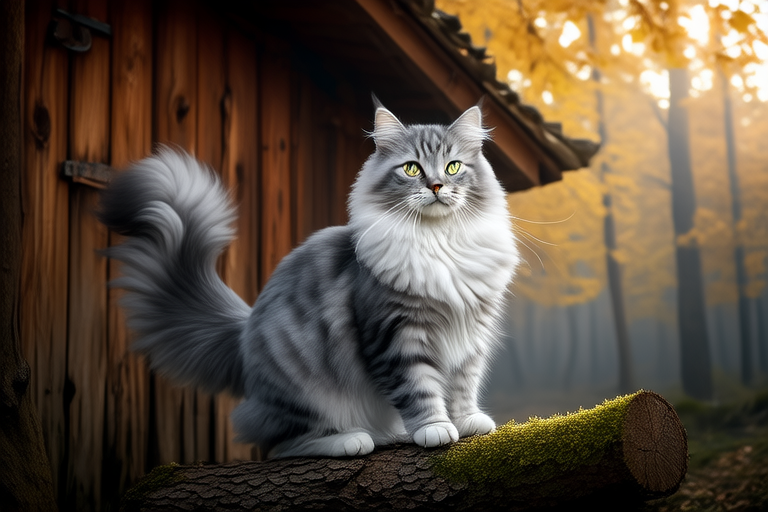
The Ultimate Guide to Caring for Your Norwegian Forest Cat
Known for their striking appearance and friendly nature, Norwegian Forest Cats (NFCs) have captured the hearts of many cat lovers around the world. This robust breed has a history that dates back centuries, and they were originally found in the forests of Norway. They are known for their dense, water-resistant coat and their affectionate personalities. In this guide, we will explore all the essential aspects of caring for your Norwegian Forest Cat, ensuring they lead a healthy and happy life.
Unique Physical Traits and Grooming Practices
Norwegian Forest Cats possess a double coat consisting of a long, silky top layer and a dense undercoat, which provides excellent insulation against the cold. Their coats can come in various colors and patterns, adding to their charm. However, this thick fur requires regular grooming to prevent matting and tangles. Brushing your NFC at least twice a week is recommended, especially during shedding seasons, to remove loose hair and distribute natural oils throughout the coat.
In addition to brushing, it’s important to pay attention to their claws. Trim their nails every few weeks to avoid overgrowth, which can cause discomfort or even injury. Also, check their ears regularly for signs of infection, dirt, or wax buildup. Clean their ears gently with a soft cloth or a cotton ball moistened with a veterinarian-recommended ear cleaner.
Dietary Needs
Proper nutrition is crucial for maintaining the health and well-being of your Norwegian Forest Cat. NFCs require a balanced diet rich in proteins, fats, vitamins, and minerals. High-quality commercial cat food, specifically formulated for indoor or active cats, is a good starting point. Look for products that list meat as the primary ingredient, such as chicken, fish, or beef. Avoid foods containing fillers, artificial preservatives, and colors.
Ensure your cat has access to fresh water at all times. Hydration is vital for their overall health, especially given their large size and active lifestyle. Consider offering wet food as an alternative to dry food, as it contains higher moisture levels, which can aid in hydration and digestion.
Consult with your veterinarian about any specific dietary needs based on your NFC’s age, weight, and activity level. Senior cats may benefit from lower-calorie diets to prevent obesity, while younger, more active cats might require additional nutrients to support their growth and energy levels.
Suitable Living Environments
Norwegian Forest Cats thrive in environments that offer both comfort and stimulation. While they are adaptable to various living conditions, they generally prefer spacious homes with plenty of room to roam and explore. If you live in a smaller apartment, ensure there are enough vertical spaces, such as cat trees or shelves, for your NFC to climb and perch.
These cats enjoy being near windows where they can observe the outside world. Providing window perches or bird feeders outside the window can further enhance their experience. Additionally, keep your home warm and draft-free, as NFCs are sensitive to cold temperatures due to their thick coats.
Exercise and Play Requirements
Norwegian Forest Cats are naturally curious and playful, making them great companions for interactive games. Regular play sessions are essential for their physical and mental well-being. Use toys that encourage climbing, jumping, and chasing, such as feather wands, laser pointers, or puzzle feeders.
Outdoor play is also beneficial, but it must be supervised or done within a safe, enclosed area. If your NFC enjoys outdoor time, consider building a catio, which allows them to experience the outdoors safely. Alternatively, take them on supervised leash walks, ensuring they wear a harness designed for cats.
Regular exercise helps maintain a healthy weight and reduces the risk of obesity-related health issues. Aim for at least 30 minutes of active playtime each day, split into shorter sessions if necessary. Encourage your NFC to engage in activities that stimulate their hunting instincts, such as playing fetch or using interactive toys.
Common Health Issues
Like all breeds, Norwegian Forest Cats are prone to certain health conditions. Being aware of these potential issues can help you provide the best possible care for your cat. Some common health problems include:
- Hypertrophic Cardiomyopathy (HCM): A heart condition characterized by thickening of the heart muscle. Regular veterinary check-ups can help monitor heart health and detect early signs of HCM.
- Polycystic Kidney Disease (PKD): An inherited disorder leading to the development of cysts in the kidneys. Genetic testing can identify carriers of the PKD gene.
- Osteoarthritis: Joint inflammation and pain, particularly in older cats. Managing weight and providing joint supplements can alleviate symptoms.
Early detection and intervention are key to managing these conditions effectively. Regular veterinary visits, including routine blood tests and screenings, can help catch health issues before they become serious.
Tips for Socializing and Bonding
Norwegian Forest Cats are generally friendly and sociable, but like any cat, they may need some time to adjust to new environments or people. Patience and positive reinforcement are essential when introducing your NFC to new situations.
Begin by creating a safe and comfortable space for your cat, allowing them to explore at their own pace. Offer treats and praise when they show interest in interacting with family members or other pets. Gradually increase the duration and complexity of interactions, always respecting your cat’s boundaries.
To strengthen your bond with your NFC, spend quality time together through play, cuddling, and grooming. Establish a consistent daily routine, which can help your cat feel secure and loved. Engage in activities that cater to their unique preferences and interests, fostering a deeper connection between you and your feline companion.
Conclusion
Caring for a Norwegian Forest Cat is a rewarding endeavor that requires dedication and attention to detail. By understanding their unique physical traits, dietary needs, and exercise requirements, you can ensure your NFC leads a healthy and fulfilling life. Regular veterinary check-ups, a stimulating environment, and plenty of love and attention will help your Norwegian Forest Cat thrive. With proper care and affection, you and your NFC can share many years of happiness together.
