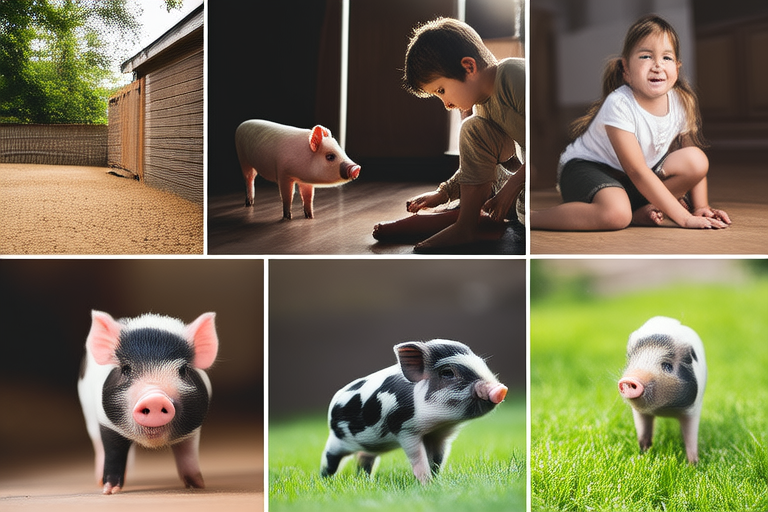
Top 10 Myths Debunked About Keeping Mini Pigs as Pets
Mini pigs have gained significant popularity in recent years as unique and charming pets. These small, intelligent animals offer companionship and can be trained similarly to dogs. However, misinformation abounds regarding their care, leading to misconceptions that can affect a pig’s well-being. This article aims to debunk the top 10 myths about keeping mini pigs as pets, offering factual insights and expert opinions to guide potential and current owners.
Introduction: The Rise of Mini Pigs as Pets
The appeal of mini pigs lies in their compact size, intelligence, and friendly demeanor. Unlike their larger counterparts, these smaller pigs are easier to manage within a home environment. Their intelligence allows them to learn tricks and commands, making them enjoyable companions. Despite their increasing popularity, many myths persist about their care and suitability as pets.
Myth 1: Mini Pigs Stay Small Forever
Debunked: One of the most pervasive myths is that mini pigs remain tiny throughout their lives. In reality, mini pigs can vary greatly in size, even within the same breed. While some breeds, like the Juliana, tend to stay relatively small, others, such as the KuneKune, can reach weights of up to 200 pounds. It’s crucial for potential owners to research specific breeds and understand their adult size.
Experts recommend consulting with reputable breeders who can provide accurate growth expectations. For instance, a breeder might share photos of fully grown pigs from previous litters to give a realistic idea of the pig’s adult size.
Myth 2: Mini Pigs Are Low Maintenance
Debunked: Mini pigs require regular care and attention. They need a balanced diet, proper exercise, and mental stimulation to thrive. Unlike dogs or cats, pigs do not groom themselves and require baths. Their hooves also need trimming, which can be done at home or by a professional.
Real-life example: Sarah, a mini pig owner, shares her experience, “I thought feeding my pig would be simple, but it turns out they have specific dietary needs. I had to consult a vet to ensure I was giving her the right nutrients.”
Myth 3: Mini Pigs Don’t Need Exercise
Debunked: Contrary to popular belief, mini pigs need regular physical activity to maintain their health. Obesity is a significant concern for pigs, leading to various health issues. Owners should provide ample space for their pigs to roam and engage in play activities.
Expert opinion: Dr. Emily Carter, a veterinarian specializing in exotic pets, advises, “Daily exercise is crucial for maintaining a healthy weight and preventing behavioral problems. A piggy-proofed backyard or a dedicated indoor area with toys can help.”
Myth 4: Mini Pigs Can Be Fully House-Broken
Debunked: While it is possible to train mini pigs to use a litter box or go outside, they are not fully house-trained like dogs. Pigs have a strong rooting instinct, which can lead to messes inside the home. Training should focus on directing this behavior into acceptable outlets.
Real-life example: Mark, a first-time pig owner, says, “I tried to train my pig to use a litter box, but she preferred digging in the soil outside. Now, we’ve created a designated digging area for her.”
Myth 5: Mini Pigs Are Always Friendly
Debunked: Like any animal, mini pigs have individual personalities. Some pigs are naturally more affectionate and social, while others may be shy or aloof. Proper socialization from a young age can help foster a friendly temperament.
Expert opinion: Dr. Carter adds, “Early exposure to different people and environments can help shape a pig’s personality. However, every pig is unique, and patience is key when building a bond.”
Myth 6: Mini Pigs Can Live in Small Spaces
Debunked: Mini pigs require adequate space to move around freely. A confined living area can lead to stress, boredom, and health issues. Providing a spacious outdoor pen or indoor area with room to explore is essential for their well-being.
Real-life example: Jane, a mini pig owner, states, “My pig thrived once I expanded her outdoor space. She now has enough room to run and play, and she’s much happier.”
Myth 7: Mini Pigs Don’t Need Veterinary Care
Debunked: Regular veterinary check-ups are necessary for mini pigs. They can suffer from various health issues, including parasites, dental problems, and skin conditions. Early detection and treatment can prevent more serious complications.
Expert opinion: Dr. Carter explains, “Annual check-ups are recommended to monitor overall health. Vaccinations and deworming should also be part of routine care.”
Myth 8: Mini Pigs Are Easy to Train
Debunked: While mini pigs are intelligent and trainable, training requires consistency and positive reinforcement. Using treats and praise, owners can teach their pigs basic commands and tricks. Patience is key, as pigs may take longer to learn compared to other pets.
Real-life example: Lisa, a mini pig owner, shares, “Training took time, but using treats and being patient helped my pig learn new tricks. She now listens to basic commands.”
Myth 9: Mini Pigs Are Suitable for Any Family
Debunked: Mini pigs are not ideal pets for everyone. They require specific living conditions and can be destructive if not properly managed. Families with young children or those living in apartments should carefully consider whether a mini pig is the right fit.
Expert opinion: Dr. Carter advises, “Potential owners should assess their lifestyle and living situation before adopting a mini pig. Compatibility is crucial for both the pig and the family.”
Myth 10: Mini Pigs Are Cheap to Keep
Debunked: The cost of keeping a mini pig includes initial expenses for purchasing or adopting the pig, as well as ongoing costs for food, veterinary care, and supplies. While the initial investment may seem low, the long-term financial commitment is significant.
Real-life example: Tom, a mini pig owner, notes, “I underestimated the ongoing costs. Food, toys, and occasional vet visits add up quickly. It’s important to budget accordingly.”
Conclusion: Responsible Pet Ownership
Keeping a mini pig as a pet is a rewarding experience, but it comes with responsibilities. Understanding the truth behind common myths can help owners provide the best care for their pigs. By prioritizing proper nutrition, exercise, and socialization, owners can ensure their mini pigs live happy, healthy lives.
For further learning, consider joining local pig clubs or online communities where experienced owners share tips and advice. Consulting with veterinarians specializing in exotic pets is also beneficial for addressing specific health concerns.
