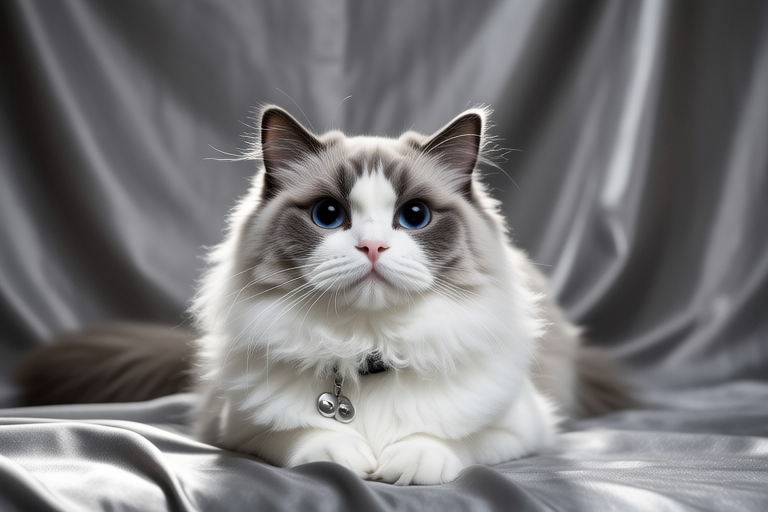
Luxurious Coats and Gentle Souls: Caring for Your Persian Cat
Persian cats are often recognized as the epitome of feline elegance and grace. With their luxurious coats and serene demeanor, they bring an air of sophistication into any home. Their gentle and affectionate nature makes them a favorite among cat enthusiasts. However, owning a Persian cat comes with specific responsibilities, particularly regarding their grooming, diet, health, living environment, and interaction. This guide will provide you with all the essential information to ensure your Persian cat leads a healthy and happy life.
The Unique Charm of Persian Cats
Known for their long, flowing coats and expressive eyes, Persian cats have captivated hearts for centuries. Their calm and gentle disposition means they are perfect companions for those seeking a peaceful coexistence with their pets. They are generally content to sit quietly by your side, offering a comforting presence without demanding too much attention. Their patience and tolerance make them ideal for households with children or other pets.
Grooming the Luxurious Coat
One of the most significant aspects of caring for a Persian cat is maintaining their luxurious coat. Their dense fur requires regular grooming to prevent matting and hairballs. The right tools and techniques can make this task enjoyable for both you and your cat.
- Brushing Tools: Invest in a good quality bristle brush and a slicker brush. A comb may also be useful for tangles.
- Frequency: Ideally, brush your Persian cat daily. If this isn’t possible, aim for at least three times a week. Regular brushing helps distribute natural oils throughout the coat, keeping it shiny and healthy.
- Techniques: Start by gently brushing against the grain to remove loose hair and debris. Then, brush with the grain to smooth the coat and remove knots. Pay special attention to areas behind the ears and under the tail where mats are more likely to form.
Dietary Needs
A well-balanced diet is crucial for the overall health of your Persian cat, especially for maintaining their luxurious coat. High-quality cat food rich in proteins and fats is recommended. Look for foods that list meat as the primary ingredient and avoid those with fillers like corn or wheat. Omega-3 and omega-6 fatty acids are particularly beneficial for skin and coat health.
Ensure fresh water is always available, and consider supplementing their diet with fish oil or a specialized cat supplement containing essential fatty acids if needed. Consult your veterinarian for recommendations tailored to your cat’s specific needs.
Common Health Issues and Preventive Measures
Persian cats are prone to certain health issues due to their genetic makeup. Understanding these potential problems can help you take proactive steps to ensure your cat’s well-being.
- Respiratory Problems: Due to their flat faces, Persian cats are susceptible to respiratory issues. Keep the home well-ventilated and avoid exposing them to dusty or smoky environments.
- Eye Irritations: Tear staining is common in Persians. Regular cleaning of the eye area with a damp cloth can help maintain hygiene and prevent infections.
- Polycystic Kidney Disease (PKD): This inherited condition affects many Persian cats. Early detection through ultrasounds can aid in managing the disease.
Regular veterinary check-ups are vital. Vaccinations, parasite control, and dental care should not be overlooked. Maintaining a clean living environment and providing a balanced diet are key preventive measures.
Creating a Comfortable Living Environment
A safe and clean living space is essential for your Persian cat’s happiness. Consider the following when setting up their home.
- Space: Provide ample space for your cat to move around freely. Persian cats enjoy lounging on elevated surfaces such as cat trees or window sills.
- Cleanliness: Regularly clean litter boxes to encourage proper usage and minimize odors. Use non-toxic litter and place the box in a quiet, easily accessible location.
- Safety: Ensure there are no toxic plants or harmful chemicals within reach. Secure windows to prevent falls. Install screens if necessary.
Bonding and Training
Building a strong bond with your Persian cat involves understanding their behavior and providing consistent interaction. While they are generally independent, they appreciate affection and playtime.
- Understanding Your Cat: Observe their body language and vocalizations to learn what they need or want. Persian cats tend to communicate through subtle cues.
- Training: Basic training can include teaching your cat to use a scratching post or respond to simple commands. Positive reinforcement methods work best.
- Playtime: Engage your cat in interactive play sessions to stimulate their minds and bodies. Toys that mimic prey, such as feather wands or laser pointers, are popular choices.
Remember, every cat is unique. What works for one may not work for another. Patience and consistency are key when building a relationship with your Persian cat.
In conclusion, caring for a Persian cat involves more than just feeding and petting. By addressing their grooming needs, dietary requirements, health concerns, living conditions, and emotional needs, you can ensure your Persian cat enjoys a long, healthy, and happy life. Embrace the opportunity to nurture a gentle soul with a luxurious coat, and you’ll find yourself enriched by the companionship of these remarkable creatures.
