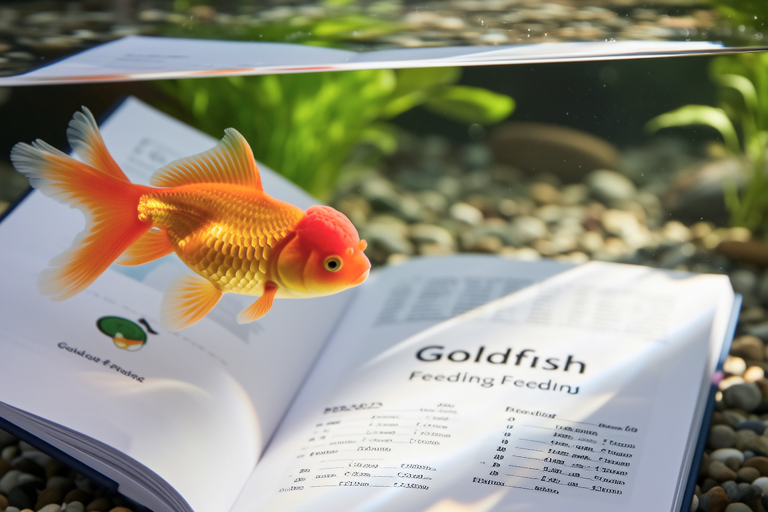
How Often Should You Feed Your Goldfish? Surprising Facts Inside!
Introduction to Goldfish Dietary Needs and Common Feeding Mistakes
Goldfish are one of the most popular aquarium pets due to their vibrant colors and relatively low maintenance requirements. However, understanding their dietary needs is crucial for their well-being. Many new goldfish owners make the mistake of overfeeding, leading to health issues and poor water quality. Goldfish are omnivorous, meaning they eat both plant and animal matter. They require a balanced diet rich in proteins, fats, carbohydrates, vitamins, and minerals. Overfeeding can lead to obesity, swim bladder disorders, and digestive problems.
Detailed Explanation of How Often Goldfish Should Be Fed, Considering Their Metabolism and Environment
Goldfish have a slow metabolism, which means they digest food more slowly than other fish species. This characteristic affects how often you should feed them. Typically, adult goldfish should be fed once or twice daily. Younger goldfish, however, may need more frequent meals because their growth rate is higher. The feeding frequency should also consider the environment; in cooler temperatures, goldfish tend to eat less frequently as their metabolism slows down.
Factors Affecting Feeding Frequency, Such as Goldfish Age, Size, and Tank Conditions
The age and size of your goldfish play significant roles in determining their feeding schedule. Juvenile goldfish grow rapidly and require more frequent feeding to support their development. As they mature, their growth rate slows, and their feeding frequency can decrease accordingly. Additionally, tank conditions influence feeding habits. Larger tanks with more space allow for better digestion and waste dispersal, potentially allowing for slightly more frequent feedings without compromising water quality.
Types of Food Suitable for Goldfish and the Importance of a Balanced Diet
A balanced diet is essential for maintaining the health and longevity of your goldfish. Commercial goldfish food, available in flakes, pellets, and granules, provides a good base. These foods are formulated to meet the nutritional needs of goldfish. Supplementing with live or frozen foods like brine shrimp, bloodworms, and daphnia can provide additional protein and variety. Vegetables such as blanched spinach, peas, and zucchini are also beneficial. Ensure that any food given is appropriate for the size of your goldfish to prevent choking hazards.
Signs of Overfeeding and Underfeeding, Along With Their Health Implications
Overfeeding can lead to several health issues, including bloating, constipation, and swim bladder disorders. Excess food not consumed by the goldfish will decompose in the tank, increasing ammonia levels and harming water quality. Conversely, underfeeding can cause malnutrition and stunted growth. Signs of overfeeding include visible uneaten food floating in the tank and a cloudy appearance. Underfed goldfish may appear lethargic and lose their appetite. Regularly observing your goldfish’s behavior and tank conditions can help you determine if adjustments to their feeding routine are necessary.
Tips for Maintaining Water Quality in Relation to Feeding Practices
Maintaining proper water quality is crucial for the health of your goldfish. After feeding, monitor the tank for uneaten food and remove it promptly to prevent decomposition. Regular water changes are essential to keep harmful substances at bay. Aim for a 10-20% water change weekly, adjusting the frequency based on the number of fish and the size of the tank. Utilize a high-quality filter to aid in maintaining water clarity and reduce the need for excessive cleaning. Monitoring the temperature and pH levels of the water also helps ensure a healthy environment for your goldfish.
Conclusion Summarizing Key Points and Encouraging Responsible Goldfish Care
In conclusion, feeding your goldfish appropriately is a vital aspect of their care. Understanding their dietary needs and the factors that affect their feeding frequency ensures their health and longevity. Providing a balanced diet and monitoring for signs of overfeeding or underfeeding are critical steps in responsible pet ownership. By maintaining optimal water quality and observing your goldfish regularly, you can enjoy a thriving and vibrant aquatic companion. Remember, a well-fed and cared-for goldfish not only thrives but also adds beauty and joy to your home.
