Purr-fect Companionship: Discovering the Gentle Giants in American Shorthairs
Welcome to the world of the American Shorthair, a breed that has captured the hearts of many with its charm, elegance, and gentle nature. These cats are often referred to as ‘gentle giants,’ a term that perfectly encapsulates their robust build and affectionate disposition. In this article, we will explore the rich history of the American Shorthair, delve into their physical attributes, discuss their ideal living conditions, and provide insights into their grooming and dietary needs. We’ll also share some heartwarming stories from proud owners who have found their perfect companions in these magnificent felines.
A Brief History of the American Shorthair
The American Shorthair has a storied history dating back to the early settlers of North America. Brought over by European immigrants, these cats were primarily valued for their hunting prowess, helping to control rodent populations on ships and in settlements. Over time, they adapted to the challenging environment and thrived, becoming a beloved part of American life. The breed was officially recognized by the Cat Fanciers’ Association (CFA) in 1906, marking the beginning of organized breeding efforts aimed at preserving and enhancing the breed’s unique characteristics.
Physical Attributes: Why They’re Called Gentle Giants
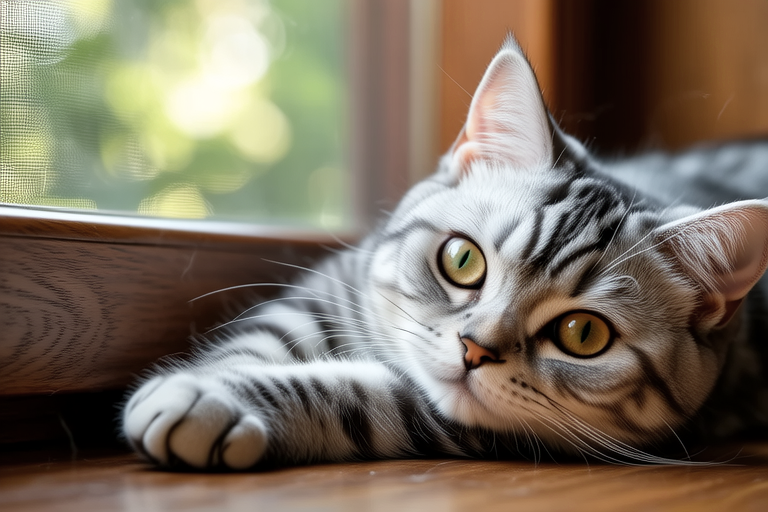
The American Shorthair is a medium to large-sized cat with a sturdy, muscular build. Their broad chest and strong legs give them a solid, balanced appearance. Males typically weigh between 11 to 15 pounds, while females range from 8 to 12 pounds. Their short, dense coat comes in a variety of colors and patterns, including silver tabby, brown tabby, and solid colors like black and white. This diverse color palette adds to their allure and makes each individual unique.
One of the most striking features of the American Shorthair is its expressive eyes, which can be green, blue, or copper, depending on the coat color. Their large, rounded heads and wide-set ears contribute to their friendly and approachable demeanor. Despite their size, they move with grace and agility, making them both imposing and elegant.
It’s this combination of strength and gentleness that earned them the nickname ‘gentle giants.’ They are powerful and robust but possess a calm, serene nature that makes them excellent companions for families and individuals alike.
Temperament: A Perfect Blend of Playfulness and Calmness
The American Shorthair is known for its even-tempered personality. They are generally friendly and sociable, getting along well with children, other pets, and even strangers. Their patience and tolerance make them ideal for households with young children, who may inadvertently handle them roughly. While they enjoy playing and exploring, they are also content lounging around, making them adaptable to various environments.
These cats are intelligent and curious, often finding ways to entertain themselves. Providing them with interactive toys and climbing structures can help stimulate their minds and keep them physically active. However, they are not overly demanding and can be quite independent when needed.
Ideal Living Conditions
The American Shorthair thrives in a variety of living situations, from bustling urban apartments to spacious suburban homes. They adapt well to indoor living but can also enjoy access to safe outdoor spaces if provided. Their calm nature makes them suitable for apartment life, where they can settle comfortably without needing constant stimulation.
While they are adaptable, it’s essential to provide them with a stimulating environment. Cats need mental and physical exercise to stay healthy and happy. Ensure there are plenty of scratching posts, climbing trees, and hiding spots available. Regular play sessions with interactive toys can also help keep them engaged.
Common Health Issues
Like all breeds, the American Shorthair is prone to certain health issues. Regular veterinary check-ups and preventive care can help ensure a long and healthy life. Some common health concerns include:
- Polycystic Kidney Disease (PKD): A genetic disorder that causes cysts to develop in the kidneys, potentially leading to kidney failure.
- Hypertrophic Cardiomyopathy (HCM): A condition where the heart muscle becomes thickened, affecting its ability to pump blood effectively.
- Dental Issues: Like many breeds, American Shorthairs can suffer from dental problems such as gingivitis and tooth decay. Regular dental care is crucial.
Vaccinations, parasite prevention, and a balanced diet are vital components of maintaining good health. Consult your veterinarian for specific recommendations based on your cat’s age, lifestyle, and overall health.
Grooming Needs
The American Shorthair’s short, dense coat requires minimal grooming compared to longer-haired breeds. However, regular brushing helps remove loose hair and prevent matting, especially during shedding seasons. Use a slicker brush or a fine-tooth comb to gently brush their fur, paying special attention to areas behind the ears and under the tail.
Bathing is usually unnecessary unless your cat gets particularly dirty or has a medical condition requiring it. If you do need to bathe them, use a mild, pet-friendly shampoo and ensure thorough rinsing to avoid skin irritation. After bathing, dry them thoroughly with a towel and consider using a blow dryer on a low heat setting.
Trimming nails, cleaning ears, and brushing teeth are also important aspects of grooming. Keep nail clippers handy, and trim nails regularly to prevent overgrowth and discomfort. Use a soft cloth or ear cleaner specifically designed for cats to clean their ears, and brush their teeth with a pet-safe toothpaste to maintain oral hygiene.
Dietary Requirements
A well-balanced diet is crucial for maintaining the health and vitality of your American Shorthair. High-quality commercial cat food, either wet or dry, formulated for adult cats is generally sufficient. Look for foods that list meat as the primary ingredient and avoid those with fillers or artificial preservatives.
Ensure your cat has access to fresh water at all times. Some cats prefer running water, so consider investing in a pet water fountain. Treats can be given occasionally but should not make up a significant portion of their diet. Avoid feeding table scraps, as they can upset the balance of nutrients and lead to obesity.
Obesity is a common issue among indoor cats, so monitor your cat’s weight and adjust their portion sizes accordingly. Regular exercise, through playtime and environmental enrichment, can also help manage weight and promote overall health.
Stories from Proud Owners
Many owners attest to the unique companionship offered by American Shorthairs. Here are a few heartwarming stories:
“Our American Shorthair, Max, has been a constant source of joy and comfort for our family. His calm presence helps soothe our children, and his playful nature keeps everyone entertained. He’s truly a gentle giant in every sense.”
“I adopted my American Shorthair, Bella, when I was going through a tough time. Her quiet companionship helped me find peace and stability. She’s incredibly intuitive and always knows when I need extra affection.”
These stories highlight the deep bond that can form between humans and their feline companions. American Shorthairs are not just pets; they are cherished members of the family, offering love, loyalty, and companionship.
In conclusion, the American Shorthair is a remarkable breed that combines the strength and elegance of a ‘gentle giant’ with the affectionate and adaptable nature of a loving companion. Whether you’re a seasoned cat owner or considering adopting your first cat, the American Shorthair offers a rewarding and enriching experience. With proper care and attention, these magnificent felines can bring years of happiness and companionship to your home.
