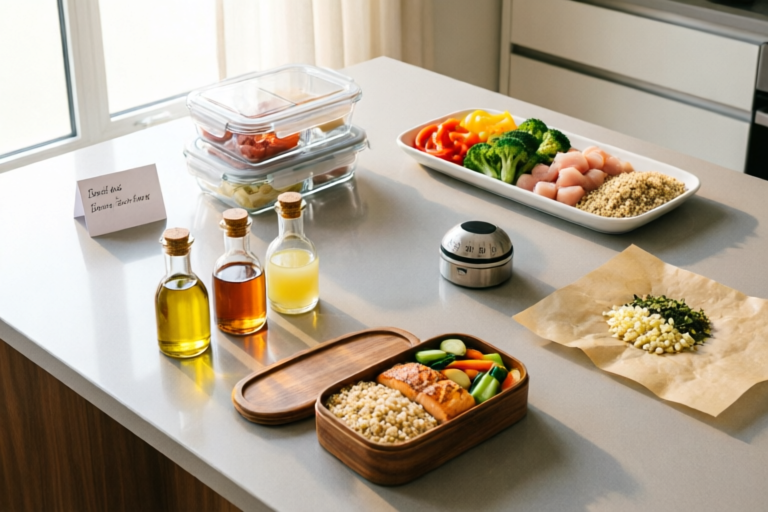
Top 5 Meal Prep Hacks to Save Time and Money
Effortless Eating: Simplify Your Life with Smart Meal Prep
Introduction
Meal prepping has become increasingly popular as people seek ways to save time and money while maintaining a healthy diet. By planning and preparing meals in advance, individuals can avoid the temptation of fast food and costly restaurant meals. This practice not only helps in managing time more efficiently but also ensures that you are consuming nutritious and balanced meals. In this article, we will explore five top meal prep hacks that will help you save time and money while enjoying a healthier lifestyle.
1. Batch Cooking: The Foundation of Meal Prep
Explanation of Batch Cooking: Batch cooking involves preparing large quantities of food at once and storing them for later consumption. It is the cornerstone of meal prepping as it allows you to cook once and eat multiple times throughout the week. This method is particularly useful for busy professionals or parents who have limited time to cook during weekdays.
Selecting Versatile Recipes: Choose recipes that can be adapted to various meals throughout the week. For example, if you prepare a large pot of chili, you can serve it over rice one day, use it as a topping for nachos another day, and even freeze some portions for future meals. This versatility not only saves time but also reduces food waste.
Proper Food Storage: Proper storage is crucial to maintaining the freshness and safety of your prepped meals. Invest in high-quality, airtight containers to prevent contamination and spoilage. Label each container with the date and contents for easy identification. Refrigerated items should be consumed within three to four days, while frozen meals can last up to three months.
2. Invest in Quality Containers
Types of Containers: Opt for durable, microwave-safe containers made from materials like glass or silicone. Glass containers are great for reheating food in the oven or microwave, while silicone containers are flexible and easy to stack. Ensure that your containers are microwave-safe if you plan to reheat your meals in them.
Portion-Controlled Containers: Using portion-controlled containers can help you avoid overeating. These containers come in various sizes, allowing you to control your serving sizes and stay within your caloric limits. They are especially useful for those following specific diets or trying to lose weight.
Organizing Containers: Keep your containers organized by grouping similar types together. This makes it easier to find what you need when assembling your meals. Consider using drawer dividers or shelf organizers to maximize space and accessibility.
3. Plan Your Menu Weekly
Creating a Balanced Weekly Menu: Start by assessing your dietary needs and preferences. Consider any allergies, intolerances, or special dietary requirements such as vegetarian, vegan, or gluten-free. Once you have a clear understanding of your nutritional goals, begin planning your meals around whole grains, lean proteins, healthy fats, and plenty of fruits and vegetables. Aim for a variety of colors and textures to ensure a well-rounded diet.
Incorporating Leftovers: Incorporating leftovers into future meals is an excellent way to reduce waste and save money. For example, leftover roasted chicken can be turned into salads, sandwiches, or wraps. Similarly, leftover vegetables can be added to soups, stews, or omelets. Be creative with your leftovers to extend their usefulness.
Tools and Apps: There are numerous tools and apps available to assist in meal planning. Apps like Mealime, Paprika, and Yummly offer recipe suggestions based on your dietary preferences and provide shopping lists to streamline the grocery shopping process. Additionally, online resources like Pinterest and Instagram can inspire new ideas and recipes.
4. Prep Vegetables Once a Week
Techniques for Washing and Chopping: Dedicate one day each week to washing and chopping vegetables. This task may seem daunting initially, but once completed, it significantly simplifies daily meal preparation. Wash vegetables thoroughly under running water and pat dry with paper towels. Then, chop them into uniform pieces for consistent cooking times.
Benefits of Prepped Vegetables: Having prepped vegetables on hand makes it easier to assemble quick and healthy meals. You can quickly stir-fry, steam, or roast them as needed. This approach encourages more frequent consumption of vegetables, contributing to a balanced diet.
Storage Tips: Store prepped vegetables in airtight containers in the refrigerator to maintain freshness. Leafy greens should be stored in damp paper towels inside a plastic bag to prevent wilting. Root vegetables like carrots and potatoes can be stored in a cool, dark place outside the refrigerator. Herbs can be kept fresh by placing their stems in a jar of water, covered loosely with a plastic bag.
5. Make Use of Frozen Ingredients
Advantages of Frozen Fruits and Vegetables: Frozen fruits and vegetables are often picked at their peak ripeness and flash-frozen, preserving their nutrients. They are convenient to use and can be stored for extended periods without refrigeration. Incorporating frozen ingredients into your meal prep routine can save time and reduce food waste.
Thawing and Preparation Tips: Thaw frozen ingredients in the refrigerator overnight or use the defrost setting on your microwave. Avoid leaving frozen items out at room temperature for extended periods to prevent bacterial growth. When preparing frozen vegetables, consider blanching them first to preserve texture and flavor.
Creative Uses: Get creative with frozen ingredients by incorporating them into smoothies, soups, and casseroles. For instance, add frozen berries to yogurt parfaits or blend them into smoothies. Use frozen spinach in lasagna or quiche for added nutrition. Experiment with different combinations to discover new flavors and textures.
Conclusion
In conclusion, meal prepping is an effective strategy for saving time and money while promoting a healthier lifestyle. By implementing these five hacks—batch cooking, investing in quality containers, planning your menu weekly, prepping vegetables once a week, and utilizing frozen ingredients—you can simplify your meal preparation process and enjoy nutritious meals throughout the week. Start small and gradually build a sustainable meal prep routine that works for you. With consistent effort, meal prepping can positively impact both your health and finances.
Comments

This is really helpful for someone just starting out with meal prep. Any suggestions for easy recipes to get started?

Thanks for the advice on incorporating leftovers. It's hard to think of new ways to use them sometimes.

Using frozen ingredients has been a game changer. I never thought it would make such a big difference in meal prep!

Great tip about prepping veggies once a week! I now have more time to focus on other things. Any advice on storing greens to prevent wilting?

I switched to glass containers and it's made such a difference. They're easier to clean and don't leach chemicals like plastic ones.

Tried this, loved it! Planning my menu weekly has really helped cut down on impulse buys at the grocery store.

Absolutely loving the batch cooking idea! I've started doing this over the weekend and it saves me so much time during the week. Any tips on keeping flavors fresh for a whole week?