Why Your Popcorn Isn't Popping (And How to Fix It)
Perfect Pops Every Time
Introduction to Popcorn Popping Issues
Popcorn is a beloved snack that can be enjoyed by people of all ages. However, sometimes you might find yourself facing disappointing results when trying to pop your kernels. This article will explore the common issues that prevent popcorn from popping and provide practical solutions to ensure a better snacking experience.
Understanding Common Popcorn Popping Problems
There are several reasons why popcorn may not pop as expected. These issues range from insufficient heat to improper moisture levels and even poor quality kernels. By understanding these problems, you can take steps to troubleshoot and improve your popping process.
The Importance of Troubleshooting for Better Snacking Experience
Troubleshooting is essential for ensuring that each batch of popcorn turns out perfectly. With the right knowledge, you can avoid frustration and enjoy consistently delicious popped corn. Let's dive into some of the most common issues and how to address them.
Insufficient Heat: The Main Culprit
One of the primary reasons why popcorn doesn't pop is insufficient heat. Proper heat distribution is crucial for activating the moisture inside the kernels, causing them to expand and pop.
Exploring the Role of Heat in Popcorn Popping
The heat source plays a vital role in the popping process. Whether you're using an electric popper, stovetop pot, or microwave, ensuring that the heat is evenly distributed is key. If the heat is too low, the kernels won't reach the necessary temperature to pop.
Common Mistakes Leading to Insufficient Heat
Some common mistakes that lead to insufficient heat include:
- Using a small amount of oil or butter, which doesn't allow for proper heat transfer.
- Placing the pan or container too far from the heat source.
- Not preheating the pan or container before adding the kernels.
To ensure adequate heat, always use enough oil or butter to coat the bottom of the pan and preheat the pan or container before adding the kernels. Additionally, keep the heat source at medium-high to ensure even distribution.
Moisture Levels: Too Much or Too Little?
Moisture content in popcorn kernels is another critical factor affecting the popping process. Kernels need to have the right amount of moisture to pop properly. Too much or too little moisture can result in kernels that don't pop or those that burn.
The Importance of Moisture Content in Kernels
Each kernel contains a small amount of moisture that expands under heat, causing the kernel to pop. The ideal moisture content for popping is around 13-14%. If the moisture level is too low, the kernels won't have enough water to expand, resulting in unpopped kernels. Conversely, if the moisture level is too high, the kernels may absorb excess moisture, leading to uneven popping or burnt kernels.
How to Check and Adjust Moisture Levels for Optimal Popping
To check the moisture level of your kernels, you can perform a simple test:
- Place a few kernels in a paper towel and fold it over.
- Heat the kernels in the microwave for about 30 seconds.
- Open the paper towel and observe the kernels. If they pop easily, the moisture level is likely correct. If they don't pop, the moisture level may be too low.
If the moisture level is too low, you can add a small amount of water to the kernels and let them sit for a few hours before popping. If the moisture level is too high, you can spread the kernels out on a baking sheet and let them air dry for a day or two.
Kernel Quality: Freshness Matters
The quality of the popcorn kernels you use can significantly impact the popping process. Fresh kernels tend to pop more consistently and produce larger, fluffier pieces of popcorn. On the other hand, old or damaged kernels may not pop at all or may produce small, hard pieces.
The Impact of Kernel Freshness on Popping Performance
Fresh kernels have the right balance of moisture and starch, which allows them to pop properly. Over time, kernels lose their moisture content, making them less likely to pop. Additionally, damaged kernels may contain cracks or imperfections that prevent them from expanding fully.
Tips for Selecting High-Quality Popcorn Kernels
To ensure you're using high-quality kernels, look for:
- Uniform size: Kernels should be similar in size to ensure even popping.
- Shiny appearance: Fresh kernels typically have a shiny, smooth surface.
- Lightweight: Heavier kernels may indicate higher moisture content, which can lead to uneven popping.
- Smell: Fresh kernels should have a mild, nutty smell. Avoid kernels with a musty or stale odor.
Store your kernels in an airtight container in a cool, dry place to maintain their freshness. For best results, use kernels within six months of purchase.
Cooking Technique: Best Practices for Perfect Popping
The cooking technique you use can also affect the quality of your popped corn. Different types of popcorn makers require slightly different methods to achieve optimal results.
Ideal Cooking Methods for Different Types of Popcorn Makers
Here are some tips for different types of popcorn makers:
- Electric Popcorn Maker: Use a small amount of oil or butter to coat the bottom of the pan. Preheat the pan before adding the kernels. Cover the pan and shake gently during popping to ensure even heat distribution.
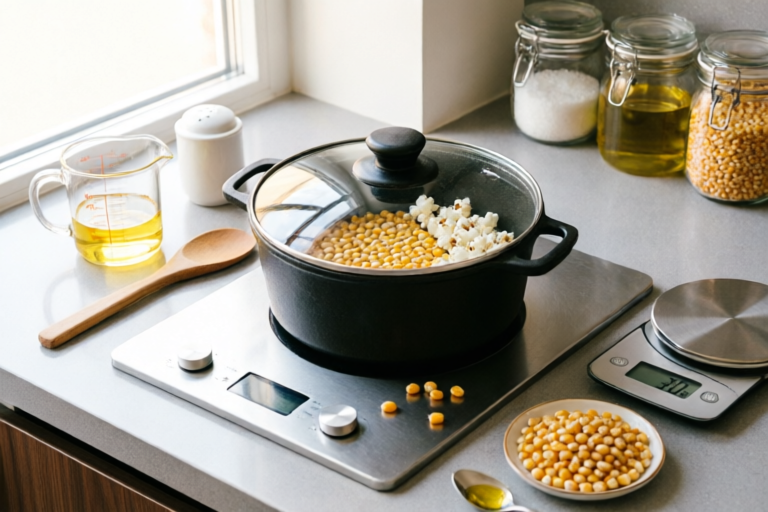
- Stovetop Pot: Use a heavy-bottomed pot with a lid. Add a small amount of oil or butter and heat it until it shimmers. Add the kernels and cover the pot. Shake gently during popping to prevent burning.
- Microwave Popcorn Bags: Follow the instructions on the bag carefully. Be cautious of overcooking, as this can result in burnt popcorn.
- Whirley-Pop Popcorn Maker: This manual popper requires constant stirring. Use a small amount of oil and stir continuously to ensure even heating.
Step-by-Step Guide to Achieving Perfect Pops Every Time
Follow these steps to ensure perfect pops every time:
- Choose high-quality, fresh kernels.
- Preheat your popcorn maker or pot to medium-high heat.
- Add a small amount of oil or butter to coat the bottom of the pan.
- Add the kernels and cover the pan or container.
- Shake gently (if applicable) to ensure even heat distribution.
- Wait for the popping to slow down (usually after 2-3 seconds of silence).
- Remove from heat and season to taste.
Troubleshooting Tips and Common Myths
Despite following the best practices, you may still encounter some issues. Here are some troubleshooting tips and common myths to help you achieve consistent, delicious results.
Addressing Common Misconceptions About Popcorn Popping
Some common myths about popcorn popping include:
- Myth: Salt prevents popcorn from popping. In reality, salt does not affect the popping process. However, adding too much salt can make the kernels harder to pop due to increased weight.
- Myth: You need to add butter to every batch. While butter enhances flavor, it's not necessary for popping. A small amount of oil is sufficient to ensure proper heat transfer.
- Myth: Old kernels cannot be revived. While old kernels may not pop as well as fresh ones, you can sometimes revive them by adding a bit of water and letting them sit for a few hours before popping.
Final Troubleshooting Tips for Consistent, Delicious Results
Here are some final tips to ensure consistent, delicious results:
- Use the right amount of oil or butter to coat the bottom of the pan.
- Preheat the pan or container before adding the kernels.
- Shake the pan gently during popping to ensure even heat distribution.
- Check the moisture level of your kernels before popping.
- Experiment with different brands of kernels to find the ones that work best for you.
Conclusion: Ensuring Perfect Pops Every Time
By understanding the common issues that prevent popcorn from popping and following the tips outlined in this article, you can ensure perfect pops every time. Remember to focus on heat distribution, moisture levels, kernel quality, and proper cooking techniques. With a bit of practice, you'll be enjoying delicious, fluffy popcorn in no time. Happy popping!
Comments

I've been struggling with uneven popping. Any tips to fix that?

Any advice for those of us who love extra buttery popcorn without going overboard?

I adjusted the heat setting on my microwave after reading this. Now my popcorn is crispy and fluffy!

Great guide! For those using air poppers, what's the best oil to use?
I used your kernel quality tips and now I only buy organic popcorn. Such a difference!

Thanks for the tips on checking moisture levels. I always thought it was just my stove!

Tried this, loved it! Finally got my popcorn to pop perfectly every time.