Top 10 Fun Facts About Clownfish That Will Make You Fall in Love
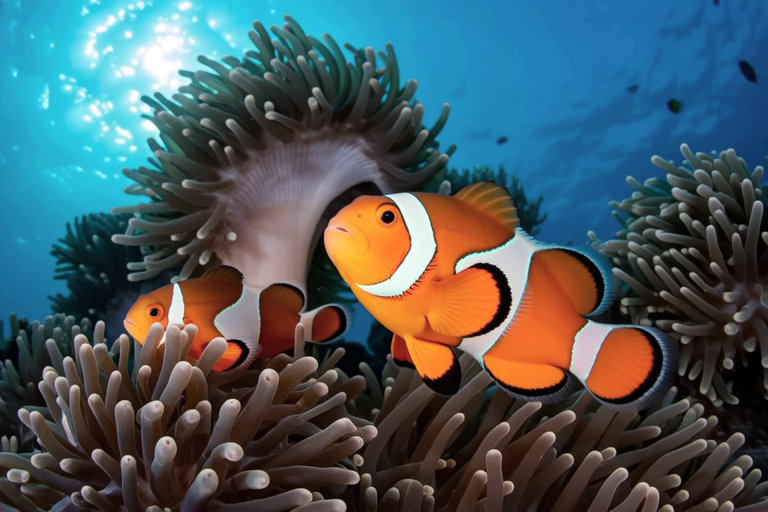
Clownfish, also known as Anemonefish, are some of the most recognizable and beloved fish in the ocean. With their bright orange and white stripes, these little swimmers have captured the hearts of both children and adults alike. But there’s much more to these charming creatures than meets the eye. From their unique living arrangements to their surprising bravery, clownfish are full of surprises. Here are the top 10 fun facts about clownfish that will make you fall in love.
1. Clownfish Are Masters of Camouflage
One of the most fascinating things about clownfish is their ability to blend in with their surroundings. They live among the tentacles of sea anemones, which are home to toxic stinging cells called nematocysts. Yet, thanks to a special mucus layer on their skin, clownfish can safely coexist with these potentially dangerous hosts. This mucus layer is thought to be produced by the anemone itself after prolonged contact with the clownfish. It’s like a mutual grooming session that benefits both parties!
2. Clownfish Are Born Ambidextrous
Did you know that all clownfish start life as males? As they mature, they can change sex if necessary, becoming females when needed. This unique trait, known as sequential hermaphroditism, allows clownfish populations to maintain a healthy balance. If the dominant female dies, the largest male in the group can quickly transition into a female, ensuring the continuation of the species.
3. They Have a Strict Social Hierarchy
Clownfish live in small groups within their anemone homes, with one dominant female and a few males. The hierarchy is strictly enforced, and the dominant female is usually the largest and most aggressive member of the group. When it comes to reproduction, only the dominant pair gets to mate, while the others help care for the eggs. This social structure ensures that resources are shared efficiently, and the group remains strong.
4. Clownfish Are Fearless Guardians
Despite their small size, clownfish are surprisingly brave. They are known to fiercely defend their anemone homes from predators, even attacking larger fish that come too close. Their fearless behavior is partly due to their close relationship with the anemone, which provides them with protection from many potential threats. However, this doesn’t mean they’re invincible; they still face challenges such as climate change and overfishing.
5. They Can Dance
Yes, you read that right! Clownfish are known for their playful behavior, often swimming in a way that looks like they’re dancing around their anemone. This behavior is believed to be a form of communication between individuals in the group. By moving in sync, they strengthen their bonds and ensure that everyone knows who’s who. Plus, it’s just plain adorable to watch!
6. Clownfish Are Expert Divers
While clownfish are mostly found in shallow waters near coral reefs, they are capable of diving much deeper. Some species have been observed at depths of up to 130 feet (40 meters). These deep-diving abilities allow them to explore different parts of their environment and find new sources of food. However, they prefer the safety and comfort of their anemone homes, where they can rest and hide from danger.
7. They Have a Special Relationship with Sea Anemones
The relationship between clownfish and sea anemones is one of nature’s most remarkable examples of symbiosis. Clownfish provide protection for the anemone by driving away harmful fish and keeping the area clean. In return, the anemone offers the clownfish a safe place to live and hunt. This mutually beneficial arrangement has evolved over millions of years, making clownfish and anemones one of the most iconic pairs in the ocean.
8. Clownfish Are Colorful and Diverse
Contrary to popular belief, not all clownfish are bright orange. While the common clownfish (Amphiprion ocellaris) is indeed orange, there are over 30 species of clownfish, each with its own unique coloration. Some are yellow, others are red or even black. Each species has adapted to its specific environment, showcasing the incredible diversity of marine life.
9. They Are Excellent Parents
Clownfish are dedicated parents, taking turns guarding their eggs until they hatch. The male clownfish is primarily responsible for egg care, fanning the eggs with his fins to ensure proper oxygenation and removing debris. Once the eggs hatch, the young fry swim away, but the parents continue to protect the area for a short time. This level of parental care is rare among fish species and highlights the importance of family within clownfish communities.
10. Clownfish Are Adaptable and Resilient
Despite facing numerous challenges, clownfish have proven to be incredibly adaptable and resilient. They can survive in a wide range of environments, from tropical coral reefs to cooler waters. This adaptability has allowed them to thrive in diverse ecosystems around the world. However, as climate change continues to impact our oceans, it’s crucial that we work together to protect their habitats and ensure their survival for future generations.
Call to Action: Protect Our Oceans
As we’ve seen, clownfish are fascinating creatures with unique behaviors and adaptations. But their survival depends on healthy marine ecosystems. Climate change, pollution, and overfishing threaten not only clownfish but countless other species that call the ocean home. To learn more about marine conservation and how you can help protect clownfish and their habitats, visit your local aquarium or marine education center. Together, we can make a difference and ensure that these charming fish continue to enchant us for generations to come.
