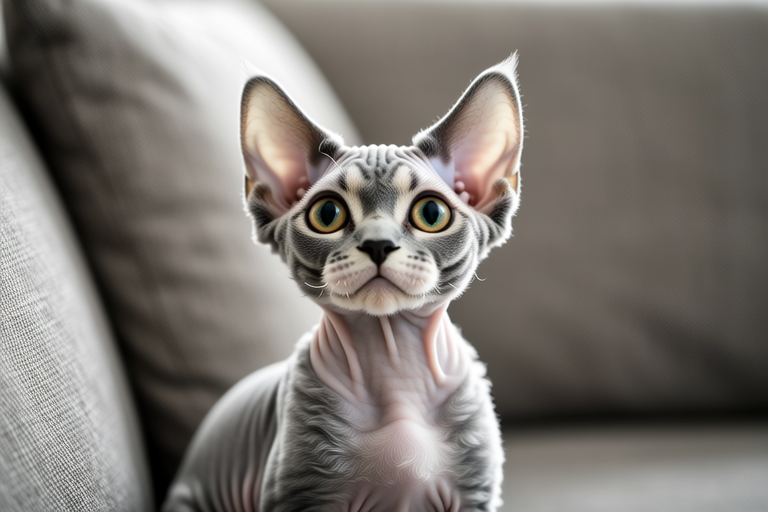
Devon Rex Cats: The Ultimate Guide for Pet Owners and Lovers
Welcome to the world of Devon Rex cats! These unique felines have captured the hearts of many pet owners and lovers alike with their distinct appearance and playful personalities. In this comprehensive guide, we will explore the origin and history of Devon Rex cats, their unique physical characteristics, temperament and behavior, grooming and care requirements, common health issues, diet and nutrition advice, suitable environments, training tips, socialization needs, and compare them with other cat breeds. We’ll also provide practical advice for current and potential owners, highlighting why Devon Rex cats are beloved by so many.
Origin and History of Devon Rex Cats
The story of Devon Rex cats begins in the early 1960s in Devon, England. A British mechanic named Beryl Cox discovered a curly-coated kitten in a local rubbish dump. This kitten, named Kirlee, was the result of a spontaneous genetic mutation. Kirlee’s offspring inherited his unique coat, leading to the development of the Devon Rex breed. In 1972, the International Cat Association (TICA) recognized the breed, and in 1983, it received full recognition from The Cat Fanciers’ Association (CFA).
Unique Physical Characteristics
Devon Rex cats are known for their distinctive appearance. Their most striking feature is their short, wavy coat, which resembles a pixie cut. Unlike other cat breeds, Devon Rex cats have three types of hair: guard hairs, awn hairs, and down hairs. However, their coat lacks the outer layer of guard hairs, making it appear shorter and more tousled. Their large ears and wide-set eyes add to their elfin appearance.
Devon Rex cats have a slender, muscular body with long legs and a broad chest. They are medium-sized cats, weighing between 5 to 9 pounds. Their small, round paws and expressive faces make them even more charming. Despite their delicate looks, they are surprisingly sturdy and agile, often leaping and climbing with ease.
Temperament and Behavior
Devon Rex cats are known for their friendly and outgoing personalities. They are highly social creatures that enjoy being around people and other pets. They love to play and interact, often seeking out attention and affection. Their playful nature makes them excellent companions for families with children or other pets.
These cats are intelligent and curious, often finding ways to entertain themselves. They are known for their mischievous antics and can be quite vocal, especially when they want something. Devon Rex cats are also very adaptable, making them suitable for various living situations.
Grooming and Care Requirements
Due to their unique coat, Devon Rex cats require minimal grooming. Their short, wavy fur sheds less than other breeds, reducing the amount of dander in your home. However, regular brushing with a soft brush or comb is recommended to prevent matting and distribute natural oils throughout their coat. Bathing is rarely necessary unless the cat gets into something particularly dirty.
Aside from grooming, Devon Rex cats need routine veterinary care, including vaccinations, dental hygiene, and regular check-ups. Their nails should be trimmed regularly, and their ears should be cleaned as needed. Providing scratching posts and toys can help keep their claws sharp and prevent damage to furniture.
Common Health Issues
While generally healthy, Devon Rex cats are prone to certain hereditary conditions. Progressive retinal atrophy (PRA), a degenerative eye disease that can lead to blindness, is one such condition. Hip dysplasia, a condition affecting the hip joint, is another concern. Regular veterinary check-ups can help detect these issues early and manage them effectively.
Other common health problems include allergies, skin disorders, and dental issues. Feeding your Devon Rex a balanced diet and maintaining good hygiene practices can help prevent these issues. Providing plenty of fresh water and avoiding overfeeding can also contribute to their overall health.
